REVIEW · TROY
Canakkale: Full-Day Troy and Gallipoli Tour
Book on GetYourGuide →Operated by Crowded House Tours · Bookable on GetYourGuide
Two worlds of history, side by side. This full-day tour pairs Troy’s myths and 3,000-year-old streets with Gallipoli’s World War I memorial landscape, and I love how the Troy guide turns ruins into stories tied to the Schliemann excavations, plus how the Gallipoli guide walks you through the ANZAC campaign at key sites like ANZAC Cove, Lone Pine, The Nek, and Chunuk Bair. The one drawback to plan for is the pace: you’ll move in and out of vehicles a lot, and the ferry + multiple stops can feel like a lot if you prefer a slower day.
I also appreciate the built-in organization. Hotel pickup in Çanakkale, a guided morning in Troy (about 2 hours), lunch near Eceabat (about 1 hour), and a long guided afternoon on the Gallipoli Peninsula (about 4.5 hours), all wrapped into a single, timed plan. For $164 per person, the value comes from what’s included: a professional English-speaking guide, Troy entrance fees, air-conditioned transportation, ferry fees, and lunch—then you only pay extra for drinks at lunch and tips.
In This Review
- Key things that make this day work
- Troy in Çanakkale’s rearview: walls, houses, and why Schliemann matters
- The morning-to-afternoon rhythm: ferry, lunch, and repositioning for Gallipoli
- Gallipoli Peninsula: how the ANZAC story gets organized into stops you can remember
- ANZAC Cove to Chunuk Bair: what each major stop is really for
- ANZAC Cove: the start point that makes everything else make sense
- Beach Cemetery: where the story turns from strategy to loss
- Lone Pine Memorial: remembering those without known graves
- The Nek and Chunuk Bair: the places you can actually picture once you’re told what happened
- Price and logistics: is $164 really paying for convenience or for the day itself?
- What to pack and how to get the most from a full-day history grind
- Who this tour suits best—and who might want a different plan
- Should you book the Canakkale Full-Day Troy and Gallipoli Tour?
- FAQ
- Where does the tour start?
- How long is the tour?
- Is there an English-speaking guide?
- How much time do you spend at Troy and at Gallipoli?
- What are the major places you visit on the Gallipoli Peninsula?
- Is lunch included?
- Are ferry fees included?
- Are entrance fees included for Troy?
- Is it suitable for wheelchair users?
- What should I budget for during the day beyond the tour price?
Key things that make this day work
- Two separate expert-led sections: Troy in the morning, Gallipoli in the afternoon, each with its own guide approach
- Real named landmarks, not vague touring: ANZAC Cove, Beach Cemetery, Lone Pine Memorial, The Nek, Chunuk Bair
- Guides with a sense of humor and story skills: names like Charlie (Troy) and Burak/Hasan (Gallipoli) show up in past groups
- Transportation that’s planned around the strait: you’ll take a ferry crossing and then keep moving through the peninsula
- Lunch is included: you get a midday break at Eceabat so you’re not hunting for food mid-route
Troy in Çanakkale’s rearview: walls, houses, and why Schliemann matters
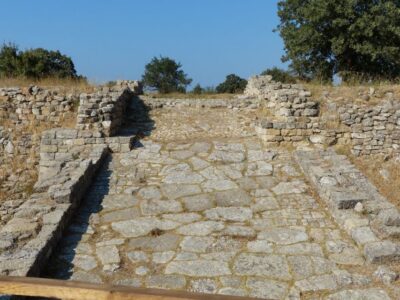
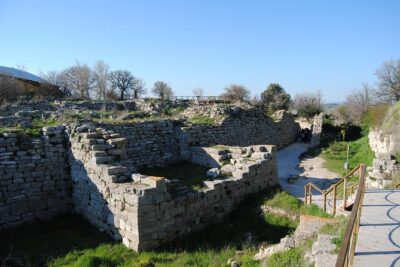
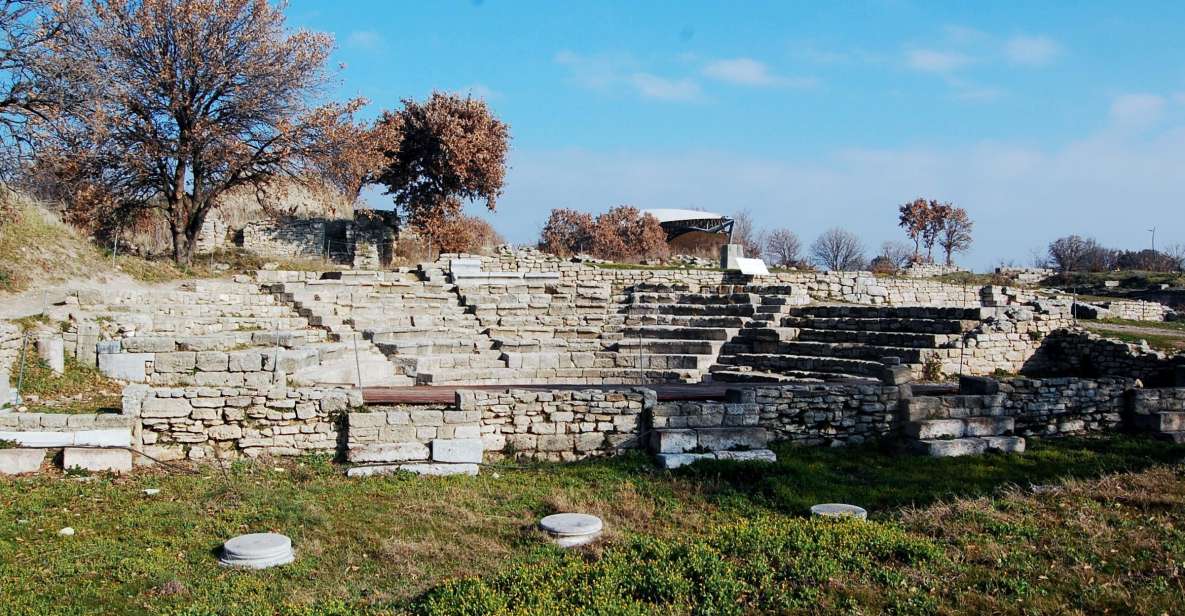
Troy is one of those places where the wow-factor can depend on how you arrive. With a good guide, you stop seeing scattered stones and start recognizing a whole city: defensive walls, neighborhoods, and everyday spaces that feel oddly close to you—even if you’re standing there with modern shoes on.
In your morning, you start with pickup in Çanakkale and a roughly 30-minute drive to Troy. Then you spend about 2 hours with your Troy guide, who connects three different layers of the site:
1) Myth and legend
The Trojan War stories are the hook, but the best tours don’t stop at names and battles. You’ll hear the mythology tied to the geography and what people believed was happening where you’re standing.
2) Archaeology and the Schliemann era
The tour specifically traces the story from Heinrich Schliemann’s discovery work in the 1870s into later archaeological understanding. That matters because it gives you a sense of why Troy became a magnet for historians and explorers in the first place.
3) What’s still visible on the ground
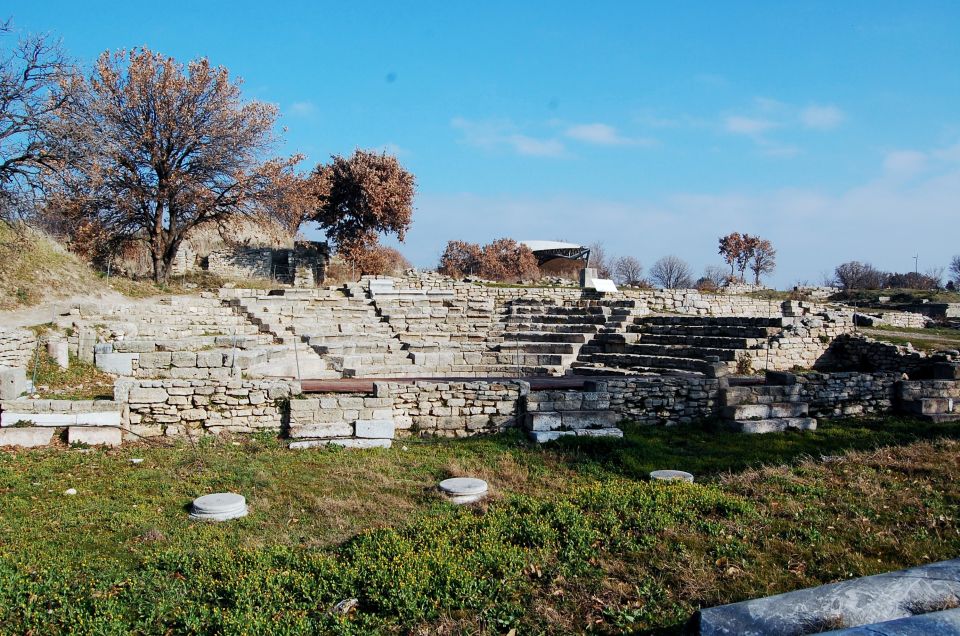
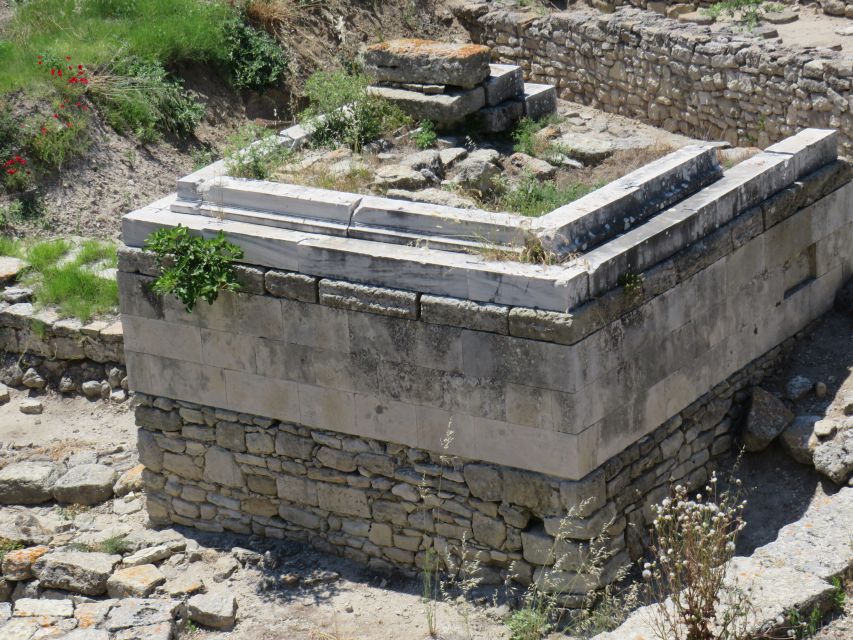
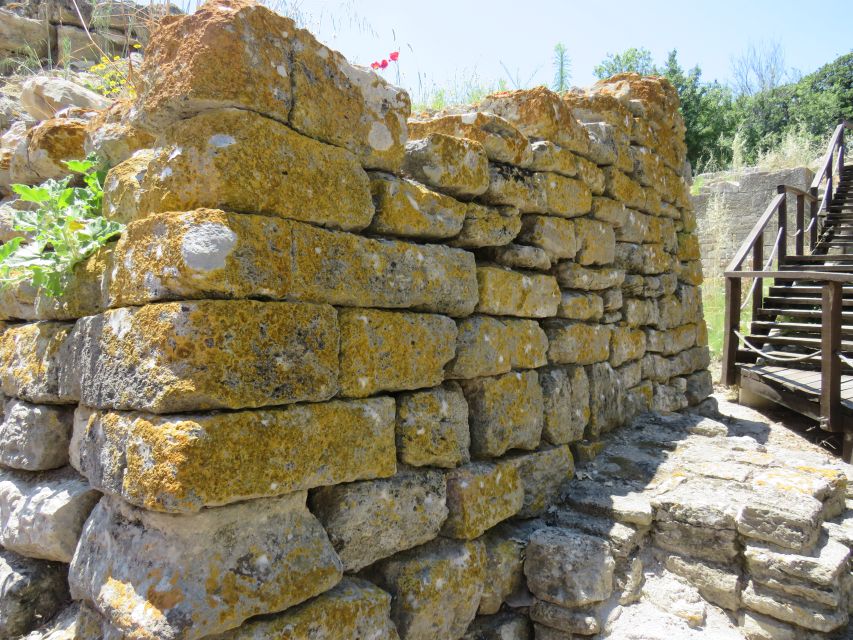
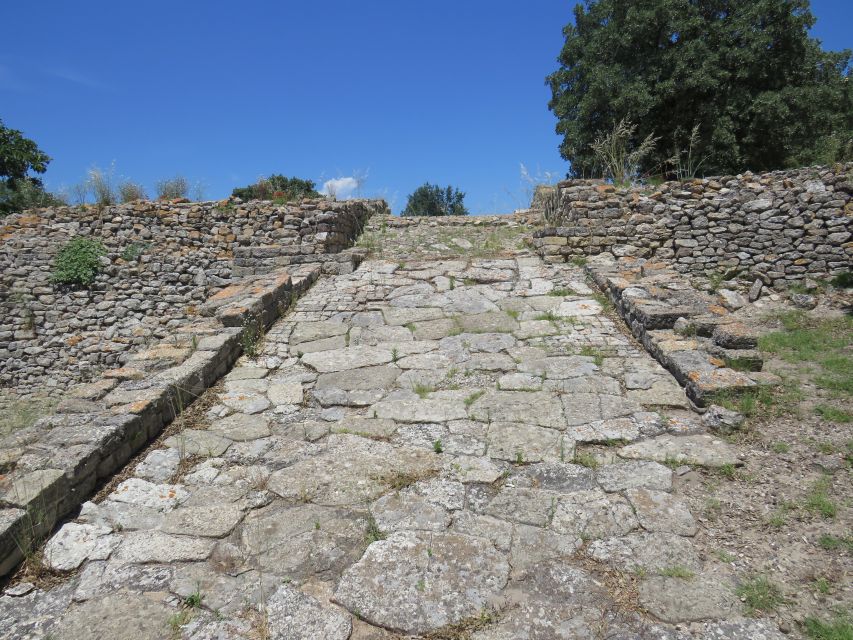
You’ll see the still-impressive defensive walls and walk past ruins of houses that date back more than 3,000 years. The point isn’t that everything is fully restored. The point is that you can still walk the same kinds of paths the ancient city used—so it feels less like looking at a museum and more like “reading” the terrain.
A practical note: Troy can feel repetitive if you’re only looking for big set pieces. What makes the difference here is the guided explanation—some past guests specifically said that without an expert, it can read like a pile of bricks. With a guide, it becomes a city with logic: where people lived, what protected them, and why the place mattered enough to become legend.
The morning-to-afternoon rhythm: ferry, lunch, and repositioning for Gallipoli
After Troy, you head back toward Çanakkale and catch the ferry. This is one of those “small logistics” moments that turns into a meaningful break in the day. The crossing is included, and you’re using it to switch sides—from Asia to Europe—before you head into the Gallipoli Peninsula area.
Then you get lunch near Eceabat (about 1 hour). It’s a real reset: you can sit down, cool off, and eat before the memorial stops start stacking up. Drinks during lunch aren’t included, so plan on paying for water or soft drinks separately. One simple tip: bring a small card or cash for those add-ons, because it’s an easy way to avoid stress later.
Why this timing works: it prevents the entire day from being one long historical lecture. You get Troy’s mythology and archaeology in the morning, then the ferry crossing and lunch that physically separates the experience—so Gallipoli doesn’t blur into “more ruins.”
Gallipoli Peninsula: how the ANZAC story gets organized into stops you can remember
Gallipoli is emotionally heavy, and it’s also geographically specific. The tour avoids the common mistake of treating it like a generic battlefield viewpoint loop. Instead, it focuses on the ANZAC sector with a guided route that moves you point by point.
You travel by air-conditioned minibus to the Gallipoli Peninsula battlefields and war memorials. Once you arrive, you’ll follow a planned sequence of stops—11 different points of interest—with explanation at each one. The tour highlights include:
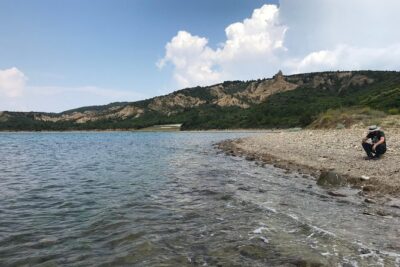
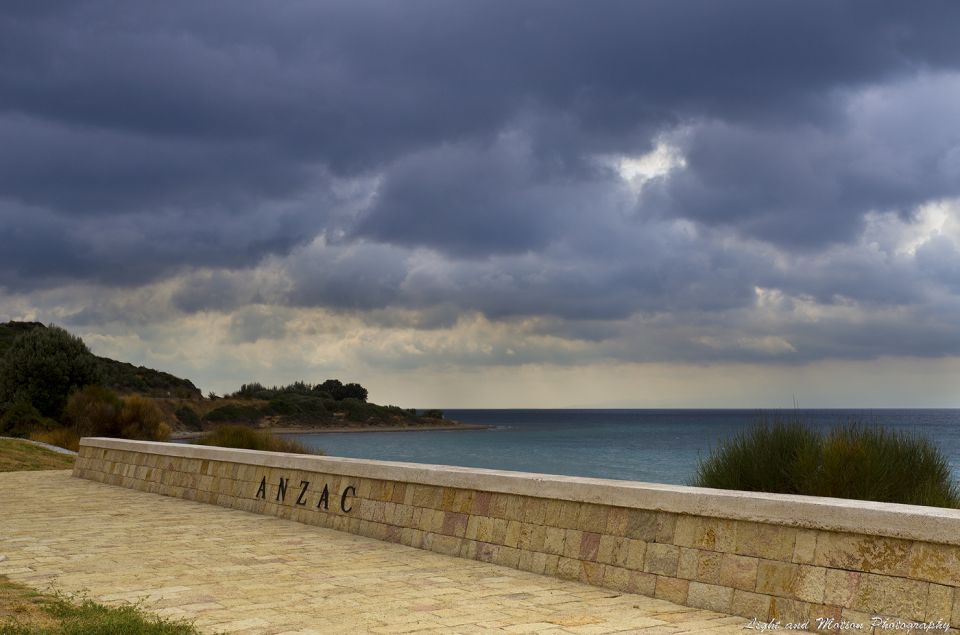
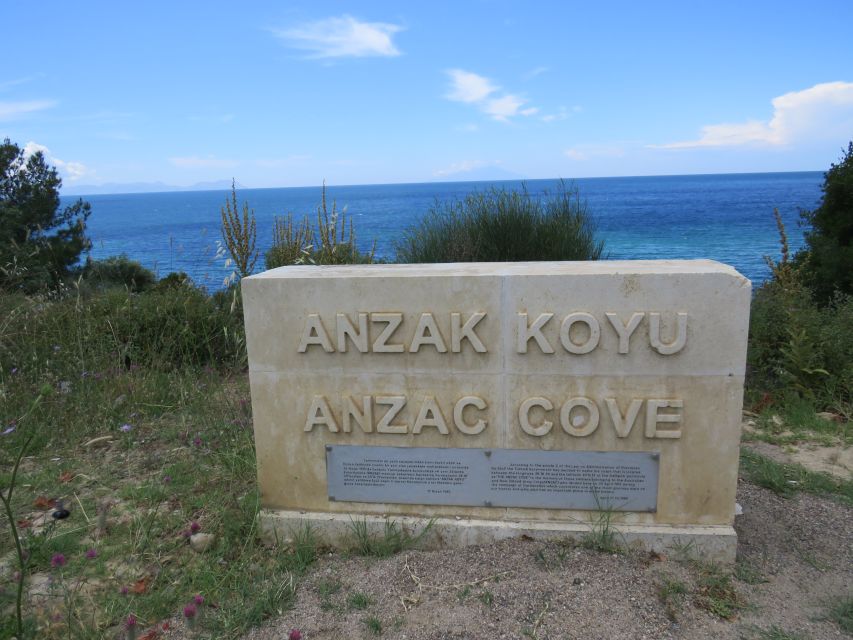
- ANZAC Cove (where troops first landed and set up base)
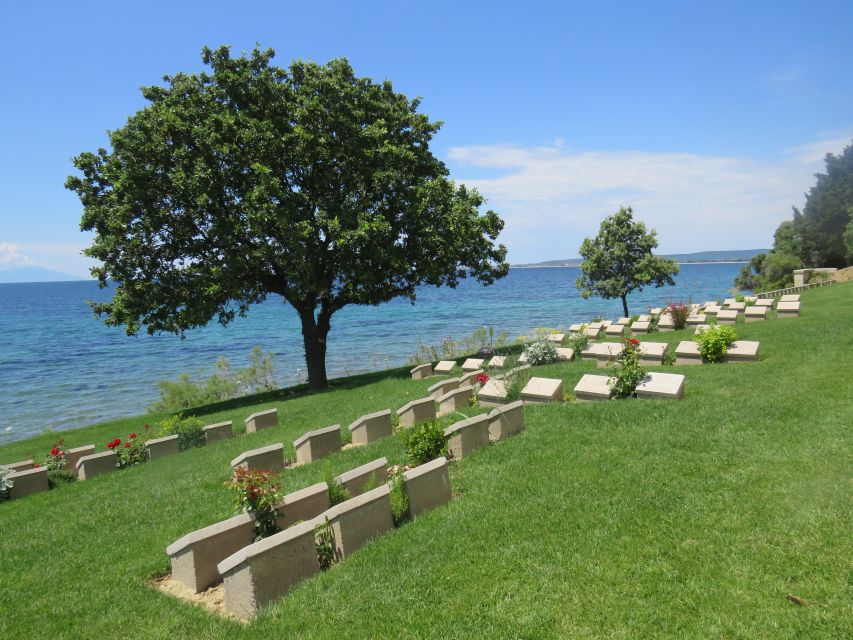
- Beach Cemetery (where many soldiers who died during the battle were buried)
- Lone Pine Memorial (one of five memorials on the peninsula for servicemen with no known grave)
- The Nek
- Chunuk Bair
Even if you already know the broad story, the power here is in how the guide turns each stop into a piece of the campaign timeline. Some past guests emphasized that the Gallipoli guide handled both sides of the story—covering Turkish and ANZAC perspectives—so you’re not only hearing one viewpoint.
And yes, the tone is different from Troy. Troy asks you to connect myth to terrain. Gallipoli asks you to understand what happened at those exact spots, often within hours, and then face the fact that the names on memorials represent people who never made it home.
This is where the “right guide” matters most. In reviews, names like Burak and Hasan came up, and multiple guests praised guides for combining serious context with humor that didn’t break the respect. That balance is tricky. It’s also what keeps you engaged during long drives between sites.
ANZAC Cove to Chunuk Bair: what each major stop is really for
You’ll spend about 4.5 hours on the Gallipoli Peninsula with your guide, so it’s helpful to understand what the big landmarks are doing for your brain.
ANZAC Cove: the start point that makes everything else make sense
ANZAC Cove isn’t just a photo stop. It’s the grounding moment—why the rest of the campaign unfolded the way it did. When the guide explains the landing and initial base setup, you get a frame for later sites like cemeteries and memorials.
Beach Cemetery: where the story turns from strategy to loss
A cemetery changes the feel instantly. Beach Cemetery gives the campaign a human reality. It’s not abstract. It’s a place of burial, and that fact turns the tour’s earlier discussion into something you can’t treat like a lecture.
Lone Pine Memorial: remembering those without known graves
Lone Pine Memorial is for servicemen of the former British Empire killed in the campaign who have no known grave. That’s a key detail. It explains why memorials exist even when bodies aren’t identified, and it changes how you read the names and the silence around the site.
The Nek and Chunuk Bair: the places you can actually picture once you’re told what happened
The Nek and Chunuk Bair are named because they’re not interchangeable. When your guide connects the terrain to the events of the battle, you start seeing the logic behind movement, pauses, and where attempts failed. That’s why many people call Gallipoli the highlight—they leave with a mental map, not just a list of sites.
One honest consideration: the day is long, and you’ll be moving constantly. If you want extra time for every battlefield detail, you may feel a little rushed at the edges. Still, for a single-day format from Çanakkale, this route hits the anchors most people want.
Price and logistics: is $164 really paying for convenience or for the day itself?
Let’s talk value. At $164 per person for about 10 hours, you’re paying for more than transport between two famous places. You’re paying for:
- Hotel pickup in Çanakkale (multiple pickup/drop-off options)
- A professional English-speaking guide for both Troy and Gallipoli sections
- Troy entrance fees
- Air-conditioned, non-smoking transportation
- Ferry fees
- Lunch at Eceabat
Not included: drinks during lunch, dinner, and tips.
So the question isn’t just “is it expensive?” It’s “what do I get that I’d otherwise need to organize myself?” If you were doing this on your own, you’d still need transport, ticketing, and a way to make the sites click. Here, the guide is the main value driver—especially at Troy, where the site can seem quiet and incomplete without interpretation.
That said, there’s one logistics reality to respect: people have mentioned that the constant getting out and back into the vehicles can drain patience. It’s not unusual for a structured full-day tour with multiple stops. It just means you should mentally plan for a busy day, not a lazy one.
What to pack and how to get the most from a full-day history grind
The tour doesn’t list a special gear requirement, but the sites are practical. You’ll be doing walking on uneven ground at Troy and lots of stop-and-go time on the Gallipoli Peninsula.
Pack for comfort and pacing:
- Comfortable shoes (ruins + memorial areas mean you’ll be on your feet)
- A light layer (coastal areas can shift in temperature)
- Water (even though lunch is included, drinks at lunch cost extra)
- Respectful attitude at memorial cemeteries (this part of the day gets emotional fast)
And if you’re the kind of person who likes control of timing: know that this is a timed itinerary. You’re not just sightseeing. You’re following a teaching sequence.
Who this tour suits best—and who might want a different plan
This is a strong pick if you’re:
- Short on time in the Çanakkale area and want Troy + Gallipoli in one day
- Interested in both archaeology and World War I battlefield history
- Happy to rely on a guide to turn places into a coherent story
- Looking for a route with named stops like ANZAC Cove and Lone Pine
It may not be ideal if you:
- Need a wheelchair-accessible format (this tour isn’t suitable for wheelchair users)
- Prefer more time in Troy specifically, or more time at British landing beaches. One review suggested extra time for those landing beaches would be a good addition.
- Want a slower day with fewer transfers
Should you book the Canakkale Full-Day Troy and Gallipoli Tour?
Book it if you want a day that earns its pace. You’re getting two major sites with focused guided routes, ferry logistics handled for you, and lunch included—plus you’re not left trying to figure out Troy’s layers on your own.
I’d only skip it if you’re either mobility-limited or you’re only interested in one half of the story. This day works because it pairs the mythic Troy experience with the memorial weight of Gallipoli, and it’s designed so you come away with a mental map of both.
If that sounds like your kind of day, this is the kind of tour that tends to make people say they learned a lot and felt moved—especially during the Gallipoli portion.
FAQ
Where does the tour start?
The tour includes pickup from your hotel in Çanakkale. There are multiple pickup locations listed.
How long is the tour?
The duration is 10 hours.
Is there an English-speaking guide?
Yes. The live tour guide is English.
How much time do you spend at Troy and at Gallipoli?
Troy includes a guided tour of about 2 hours. Gallipoli includes a guided tour of about 4.5 hours.
What are the major places you visit on the Gallipoli Peninsula?
The tour includes stops such as ANZAC Cove, Beach Cemetery, Lone Pine Memorial, The Nek, and Chunuk Bair, plus additional points of interest.
Is lunch included?
Yes. Lunch is included (drinks during lunch are not included).
Are ferry fees included?
Yes. Ferry fees are included in the tour price.
Are entrance fees included for Troy?
Yes. Entrance fees to the ancient city of Troy are included.
Is it suitable for wheelchair users?
No, it is not suitable for wheelchair users.
What should I budget for during the day beyond the tour price?
You’ll likely want to budget for drinks during lunch, and dinner is not included. Tips are also not included.