REVIEW · CANAKKALE
Gallipoli Tour from Eceabat, Canakkale
Book on Viator →Operated by Hassle Free Travel · Bookable on Viator
Gallipoli can feel huge and confusing until someone puts the story in order. I love that this tour handles the pickup-and-drop-off side, and you spend your energy on the battlefield meaning instead of directions. You also get an included seafront lunch, so the day doesn’t turn into a nonstop slog of standing and walking.
The one thing to consider is that this experience is weather-dependent, so if conditions are poor, the schedule can shift.
In This Review
- Quick hits before you go
- Getting from Eceabat to Gallipoli without the driving stress
- The included seafront lunch is more than a break
- A guided WWI story that follows the events, not just the buildings
- Brighton Beach to ANZAC Cove: where the plan met reality
- Beach Cemetery and Ari Burnu: slow down at the names
- Lone Pine Cemetery and the Australian memorial
- Johnston’s Jolly trenches: where the fighting isn’t abstract
- Turkish Memorials, Chunuk-Blair, and The Nek (including the Light Horse charge)
- Gallipoli battlefield entry time and pacing: what the 6 hours really feels like
- Price and value: why $180 can make sense here
- What to bring and how to get the most out of each stop
- Who should book this Gallipoli tour from Eceabat?
- Should you book? My practical call
- FAQ
- How long is the Gallipoli tour from Eceabat?
- What time does pickup happen in Eceabat?
- Does the price include pickup and drop-off?
- What’s included in the tour price?
- Are drinks included with lunch?
- Is there a vegetarian lunch option?
- How many people are in the group?
- What language is the tour guide?
- What happens if the tour is canceled due to poor weather?
- What if I need to cancel?
Quick hits before you go
- Hotel pickup in Eceabat keeps the start stress-free (pickup window 12:00–12:15)
- Air-conditioned minivan for the ride to Gallipoli proper
- Seafront lunch included, with drinks not included
- A tight small group max of 16, led by an English-speaking guide
- Major ANZAC and Turkish memorial stops, including The Nek and Chunuk-Blair
Getting from Eceabat to Gallipoli without the driving stress
Your day starts with pickup from your hotel in Eceabat, with a 12:00–12:15 window. From there, you’ll ride in an air-conditioned minivan toward the Gallipoli area. The timing works well if you want to avoid an early-morning start but still get a full slice of the sites before the afternoon ends.
I like that this is built for people who don’t want to plot routes, park, and then spend time figuring out which turnoff leads where. You’re not just being transported; you’re being taken to the main points in a logical sequence so the memorials don’t blur together.
There’s also a comfort factor: this is a 6-hour plan on paper, but the ride and site stops are arranged so you’re not stuck in one long stretch. You’re moving, listening, and taking breaks when the itinerary calls for them.
You can also read our reviews of more tours and experiences in Canakkale.

The included seafront lunch is more than a break
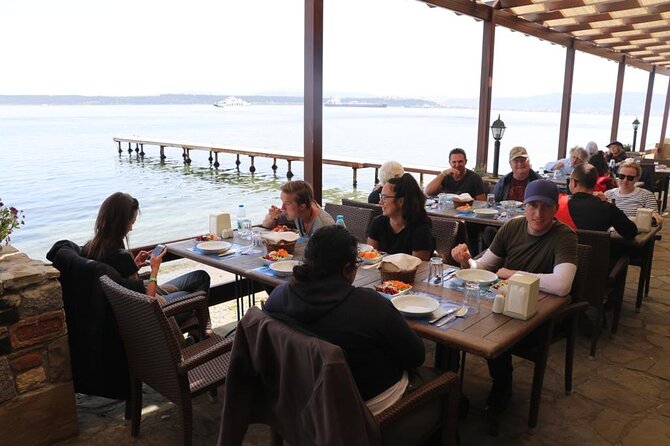
This tour builds in lunch at a seaside restaurant. That matters because Gallipoli is mentally heavy; you’ll get more from the afternoon if you can reset. The lunch slot also breaks up the pacing between travel and the deeper memorial stops.
Drinks are not included, so plan to budget for water or soft drinks if you need them. If you have dietary requirements, you can ask for a vegetarian option at booking, which is helpful if you’re traveling with someone who eats differently.
One practical tip: eat normally, not super heavy. The walking and standing at cemetery and memorial sites can add up, even when stops are timed.
A guided WWI story that follows the events, not just the buildings
What makes this experience feel worth the money is the way the guide sets the scene as you travel. You’ll hear the background to the 1915 World War I campaign, including how largely Australian and New Zealand Army Corps (ANZAC) forces landed here to push back Turkish forces.
That context is the difference between reading names on stone and understanding why those names show up where they do. As you move through the main Gallipoli areas, the guide’s job is to keep the narrative connected: what happened, where, and why it matters.
Guides can shape the whole day, and English-speaking guides like Ercan are specifically mentioned for being engaging and informative. That’s exactly the style you want here: clear facts, strong storytelling, and not so much lecture that you lose the human side of the story.
Brighton Beach to ANZAC Cove: where the plan met reality
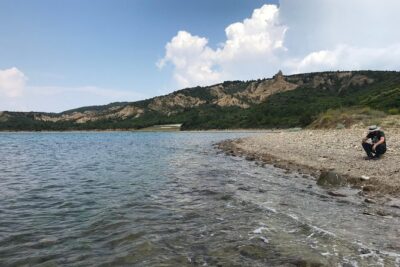
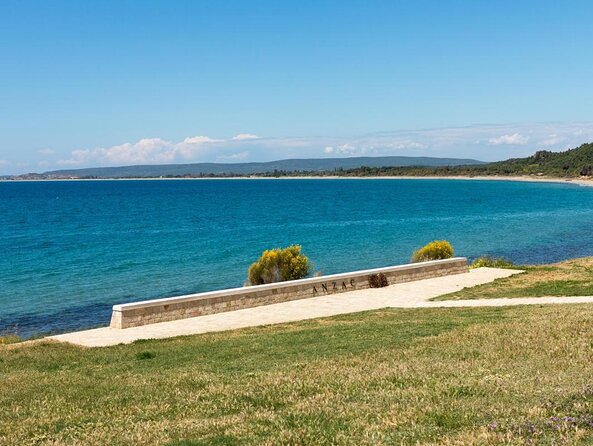
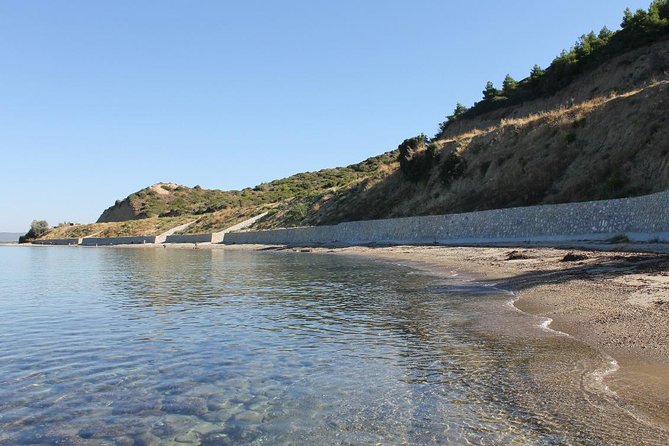
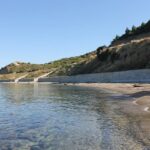
After arriving, your route includes the key shoreline points. You’ll see Brighton Beach, where the ANZACs originally intended to land. This is one of those stops where the terrain helps you understand the struggle. You’re not just looking at a spot on a map—you’re standing near the setting that shaped what went wrong.
Then you’ll move to ANZAC Cove, the place where they actually came ashore. The guide uses these locations to explain the gap between intention and outcome. If you’ve only ever seen Gallipoli in photos, this is the moment that tends to change your mental image.
Stop length here is about 50 minutes, which is enough time to look around and take a breath without feeling rushed. The main trade-off: you’ll want comfortable shoes, because even short cemetery walks add up quickly.
Beach Cemetery and Ari Burnu: slow down at the names
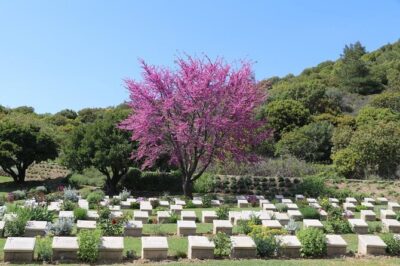
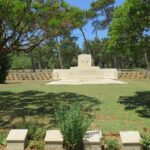
One of the most important parts of this tour is the cemetery time. You’ll visit Beach Cemetery, which includes the grave of John Simpson Kirkpatrick—the famous story of using donkeys to evacuate the wounded. Hearing that detail while you’re in the cemetery setting helps the tale land in a more personal way than it does through headlines.
Next is Ari Burnu Cemetery, just north of ANZAC Cove. This stop helps you understand how many burial grounds exist in such a concentrated area. It also keeps the day grounded in the reality of the campaign, instead of floating too far into general war talk.
Here’s the practical mindset I’d use: don’t treat cemeteries like quick photo stops. Give yourself a minute to read a few names, then look up and take in the view direction. That small pause helps you connect the physical space with the story you’re being told.

Lone Pine Cemetery and the Australian memorial
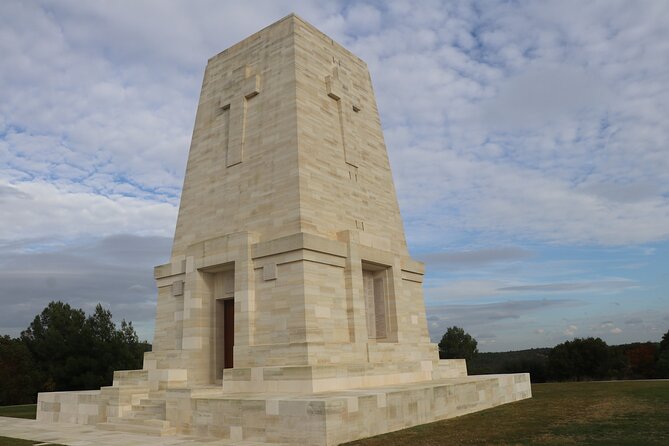
The tour includes time at Lone Pine—both the memorial context and the meaning behind it. You’ll hear how Australians captured the site in August 1915, which gives the stop more weight than a quick visit.
The itinerary lists 30 minutes at the Lone Pine stop, and that’s usually the right amount of time for a place this symbolic. It lets you read, reflect, and understand why Lone Pine is remembered the way it is.
You’ll also see how Lone Pine fits into the broader battlefield sequence you’ve already heard about. When the guide connects it to earlier shoreline points and later trench areas, the day starts to feel like one continuous route rather than separate attractions.
Johnston’s Jolly trenches: where the fighting isn’t abstract
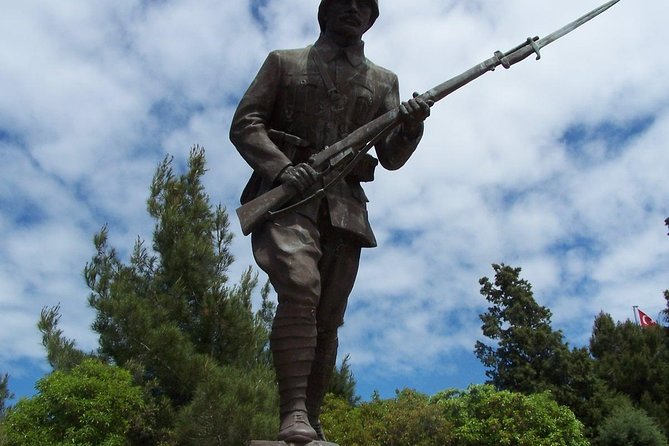
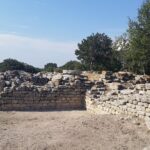
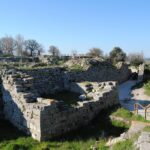
After the memorial sites, you’ll explore the original trenches at Johnston’s Jolly. This is the kind of stop where a little guidance matters a lot. Trench lines can look confusing on your own—what you need is someone explaining how the area was used and why it mattered during the campaign.
This isn’t just history trivia. It’s one of the clearest ways to grasp how close people were to each other during these battles and how hard the environment made movement and survival.
If you like your history grounded in real terrain, this is a highlight. The trade-off is physical: even at a walking pace, trench areas can be uneven and exposed.
Turkish Memorials, Chunuk-Blair, and The Nek (including the Light Horse charge)
A key part of the day is that it isn’t only ANZAC-focused. You’ll visit the Turkish Memorial, then make time for Chunuk-Blair Memorial. These stops round out the story by showing how the campaign is remembered from the other side as well.
Then comes The Nek, the site tied to the famous Light Horse charge depicted in the 1981 movie, Gallipoli. Even if you’ve seen the film, it helps to visit the location with the guide connecting what you remember to what the ground would have meant in 1915.
This section tends to stick with people because it combines three things at once:
- the emotional weight of memorials
- the strategic importance of the area
- a recognizable cultural reference point from popular media
Gallipoli battlefield entry time and pacing: what the 6 hours really feels like
The structured time on the main battlefield area is about 4 hours. That’s a substantial chunk, and it’s where you’ll feel the most “guided touring” energy. In practice, that means you’ll be listening through most of the route, stopping at points with meaning, then moving again.
The pacing is designed to avoid the two extremes:
- too little time, where everything becomes surface-level
- too much time, where you lose the story and just follow the crowd
You get a clear sequence: shoreline intention and landing points, then cemeteries, then Australian memorials, then trench ground, and finally the memorials that close the narrative.
Price and value: why $180 can make sense here
At $180 per person, this tour isn’t a budget bus ride. You’re paying for the combination of:
- hotel pickup and drop-off in Eceabat (time saved and fewer hassle costs)
- an English-speaking guide to connect the sites to the events
- lunch included at a seaside restaurant
- admission coverage for key battlefield areas (you’ll have ticket time included for the main Gallipoli battlefield and ANZAC Cove, while Lone Pine’s memorial entry is listed as free)
- a small group size (max 16), which usually means fewer distractions and more chance to hear the guide clearly
If you tried to do this independently, you’d likely spend your savings on transport, entry tickets, and the time costs of planning. The value here is that you show up, get guided in a sensible order, and return to your hotel without needing to drive or figure out the route.
Also, the tour uses a mobile ticket, which is a small convenience but helps on a day where you’ll likely be juggling plans and walking gear.
What to bring and how to get the most out of each stop
This is a history tour, but you’ll experience it through feet, eyes, and attention. A few practical choices can make a big difference:
- Comfortable walking shoes: you’ll be on cemetery and battlefield ground for multiple stops.
- Sun protection: even if it’s not blazing, you’ll want hat and sunscreen-ready habits.
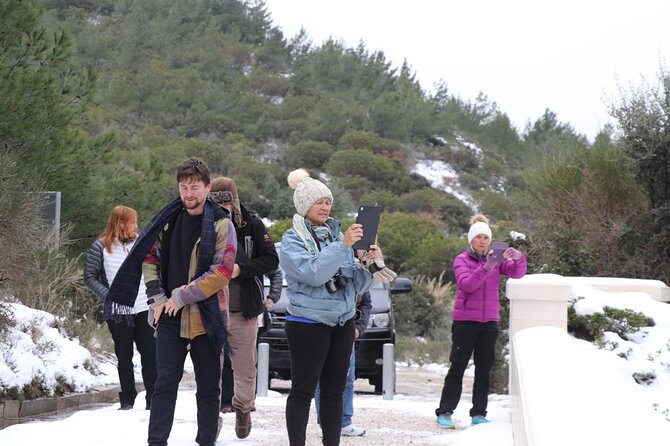
- A light layer: coastal weather can shift, and you’ll be out for several hours.
And mentally, give yourself permission to slow down at cemeteries and memorials. The guide’s stories matter most when you read a name or two instead of treating the stop like a checklist.
Who should book this Gallipoli tour from Eceabat?
This tour fits best if you want:
- a hassle-free plan with round-trip transport
- a guided explanation of the WWI campaign instead of self-guided reading
- a balanced route that covers ANZAC sites plus Turkish memorials
- a small group day, not a big crowd shuffle
It might not be the best match if you strongly prefer total freedom to linger only where you want and skip where you don’t. This itinerary is structured, and the benefit is that structure, not total independence.
Should you book? My practical call
If you’re staying in Eceabat and you want to see Gallipoli with less stress and more story, I’d book this. The mix of pickup/drop-off, included lunch, and a tightly run route through shoreline points, cemeteries, trenches, and memorials is a smart way to make a limited time window meaningful.
The main reason to pause is weather. Since the experience depends on conditions, you’ll want to be flexible with plans around your date. If your schedule can handle a potential adjustment, you’ll likely find this tour a satisfying, well-timed way to understand what happened here.
FAQ
How long is the Gallipoli tour from Eceabat?
It lasts about 6 hours.
What time does pickup happen in Eceabat?
Pickup is scheduled between 12:00 and 12:15, with the tour starting at 12:00 pm.
Does the price include pickup and drop-off?
Yes. You get hotel pickup and drop-off in Eceabat.
What’s included in the tour price?
The tour includes lunch, a local guide, and hotel pickup and drop-off. Admission is listed as included for the main battlefield areas and ANZAC Cove, while the Lone Pine stop is free.
Are drinks included with lunch?
No. Drinks are not included.
Is there a vegetarian lunch option?
Yes. A vegetarian option is available if you request it at booking.
How many people are in the group?
The tour has a maximum of 16 travelers.
What language is the tour guide?
The tour is offered in English.
What happens if the tour is canceled due to poor weather?
If it’s canceled due to poor weather, you’ll be offered a different date or a full refund.
What if I need to cancel?
This experience is non-refundable and cannot be changed for any reason. If you cancel or request an amendment, you won’t get a refund.