REVIEW · CANAKKALE
Canakkale: 6-Hour Gallipoli Tour with Lunch
Book on GetYourGuide →Operated by Crowded House Tours · Bookable on GetYourGuide
Gallipoli hits you fast, even on a tour. This 6-hour day trip from Çanakkale sends you across the Dardanelles, then right into the key landing sites and ridges where the fighting stalled for months.
What I like most is the way the day is built around specific locations you can picture in your head: Brighton Beach for the intended landing, ANZAC Cove for the first landing, and then the trench lines up on Second Ridge. The second big win for me is the guiding style. I enjoyed how the stories connect decisions, terrain, and consequences, so the names on memorials feel tied to real ground, not just dates.
The one drawback to consider is timing. Lunch in Eceabat is included, but it can feel like it steals some daylight from the battlefield stops—especially if you get slow at one cemetery or want extra minutes at the views from the ridges.
In This Review
- Key takeaways before you book
- Ferry crossing to Eceabat: getting oriented fast
- Brighton Beach to ANZAC Cove: the landing, then the reality
- Second Ridge: where trenches still read like a map
- Ariburnu Cemetery: the first-day cost made visible
- Lone Pine and Johnston’s Jolly: memorials tied to absence
- Chunuk Bair: the highest point and the turning point
- Lunch in Eceabat: good food, but watch the time
- Value and the $81 price: what you’re really paying for
- Who this Gallipoli day tour suits best
- Before you go: small tips that make the day better
- Should you book this Çanakkale to Gallipoli tour?
- FAQ
- Where is the meeting point in Çanakkale?
- What time does the tour start?
- Is there ferry transportation included?
- How long is lunch and where do you eat?
- What sights are included on the battlefield portion?
- Is the guide English-speaking?
- What is the total duration of the tour?
- Is hotel pickup available?
- Are drinks included with lunch?
Key takeaways before you book
- ANZAC Cove plus Second Ridge: you don’t just see the shore; you track the fight upward.
- Memorial focus: Lone Pine and Johnston’s Jolly hit hard, with places shaped by absence and loss.
- Both sides of the story: Turkish memorials sit alongside ANZAC sites, so the campaign doesn’t feel one-sided.
- Chunuk Bair closes the loop: the highest point on the peninsula is also where the turning point gets explained.
- Ferry time included: the Dardanelles crossing is part of the full-day rhythm, not an afterthought.
Ferry crossing to Eceabat: getting oriented fast
Your day starts at the Tourist Information Center in Çanakkale, right by the ferry harbor, around 10:45 AM. If you chose pickup, it’s from city-center hotels within that same general window. Either way, you’ll meet your escort and head for the terminal.
Then comes the short ferry crossing of the Dardanelles Strait. It’s not long, but it helps you shift gears. Once you reach Eceabat—the town that traces its roots to ancient Madytos—you’re in the right place to understand why this peninsula mattered so much.
Lunch happens in Eceabat at a local restaurant (about an hour). Drinks aren’t included, so if you like something other than water, plan for that. One smart move is to eat like it’s a battlefield day: light-to-medium portions, and keep energy for walking and looking around afterward.
You can also read our reviews of more tours and experiences in Canakkale
Brighton Beach to ANZAC Cove: the landing, then the reality

The heart of the tour is the guided battlefield route across the Gallipoli Peninsula. After lunch, you board an air-conditioned coach and head out to the landing areas, with stops that match how the campaign unfolded.
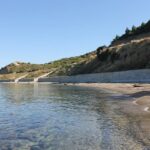
First up is Brighton Beach—the landing site that was intended for April 25. It’s easy to think of landings as clean and simple until you stand on the actual ground and understand how the coastline, cover, and confusion can turn a plan into something else.
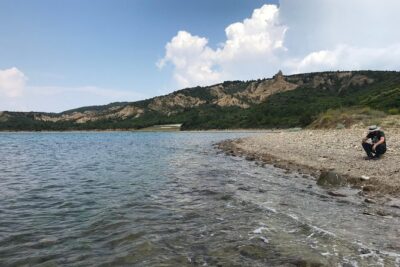
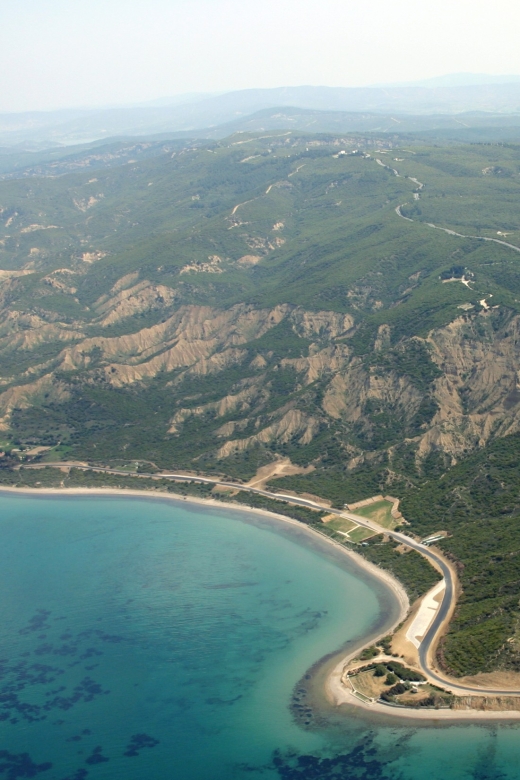
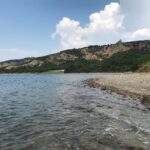
Then you move to ANZAC Cove, the place where the first landing actually happened on April 25, 1915. This is where the day stops feeling like a lesson and starts feeling like place. You’re on terrain that forces you to imagine movement under pressure—small decisions with huge consequences.
And the guide’s explanations matter here. When the commentary ties the shore to the next push inland, you get a clearer picture of why the fighting didn’t unfold as expected.
Second Ridge: where trenches still read like a map
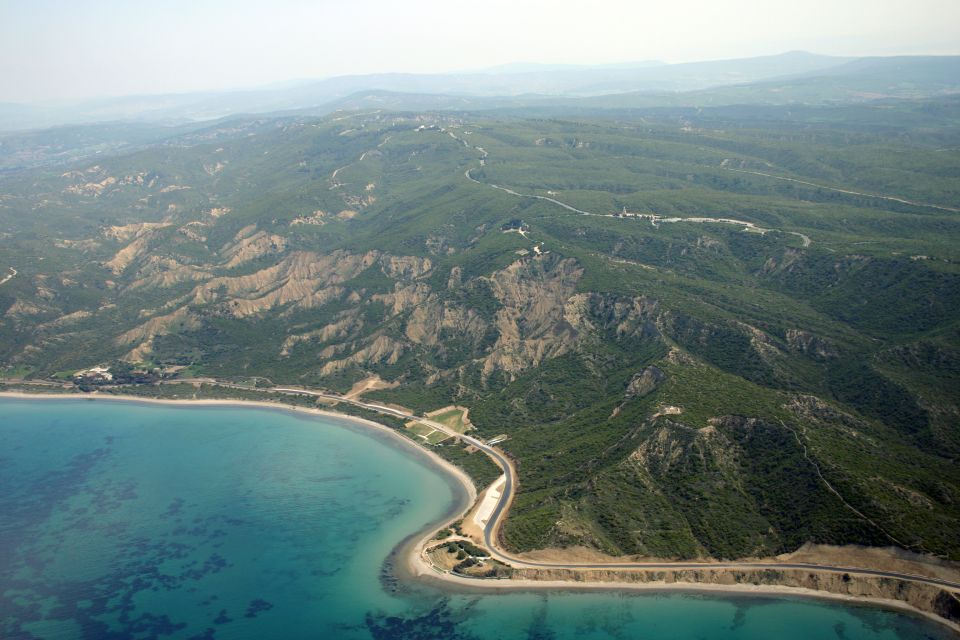
After the cove, the tour climbs into the hills above and follows the line of battle known as Second Ridge. This is one of those terms you’ll hear again and again, and it’s worth paying attention early.
Second Ridge is where the Allied advance was halted on the first day by Ottoman defenders. Then the front line stayed locked there for the next seven months. That’s a key point: this wasn’t a quick dash and victory. It was grinding, positional warfare on terrain that punished mistakes.
As your coach rolls along the top of the ridge, you’ll see trench lines still traceable on both sides. That visibility is part of the power of this day trip. You’re not trying to decode a museum display; you’re reading the shape of the ground.
If you want a good strategy, it’s this: when you arrive at each stop, take ten seconds to look around before you focus on the plaques. The guide’s story lands better once your eyes have the geography.
Ariburnu Cemetery: the first-day cost made visible
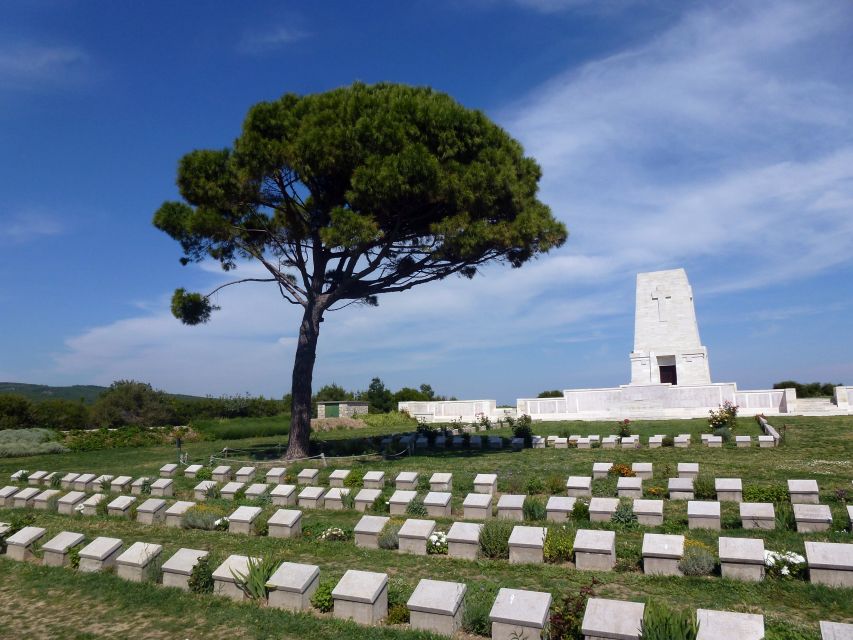
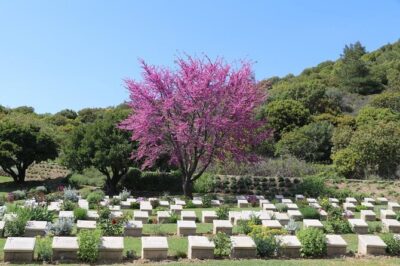
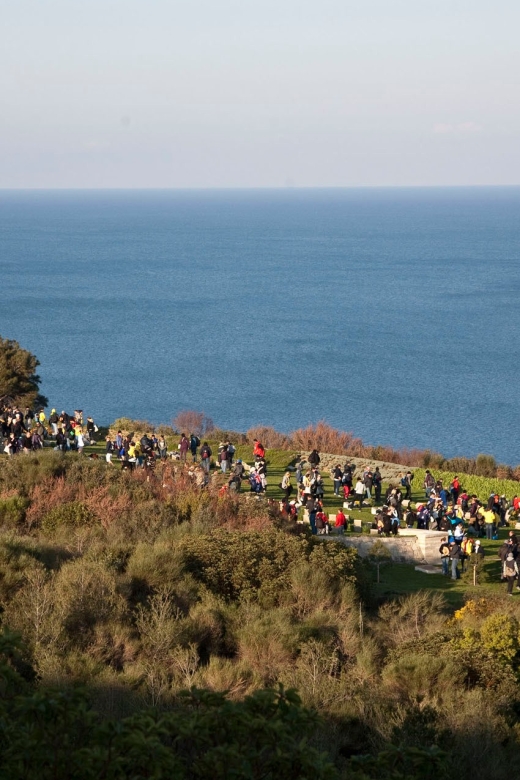
On the northern tip of ANZAC Cove, the tour includes the Ariburnu Cemetery. Cemeteries here don’t feel like side stops. They’re part of the narrative of what happened when the landing met resistance and reality.
This is also one of the moments where the tone can turn quiet, even if your group is chatty. The best guided days know how to balance clear facts with respect for the dead. You’ll likely feel that balance at this point: less about spectacle, more about acknowledging loss and understanding why the same ground kept swallowing people for months.
If you’re someone who needs time to process, take it. Most stops are set for a practical amount of viewing and walking, but you’ll still want a slow minute here.
Lone Pine and Johnston’s Jolly: memorials tied to absence
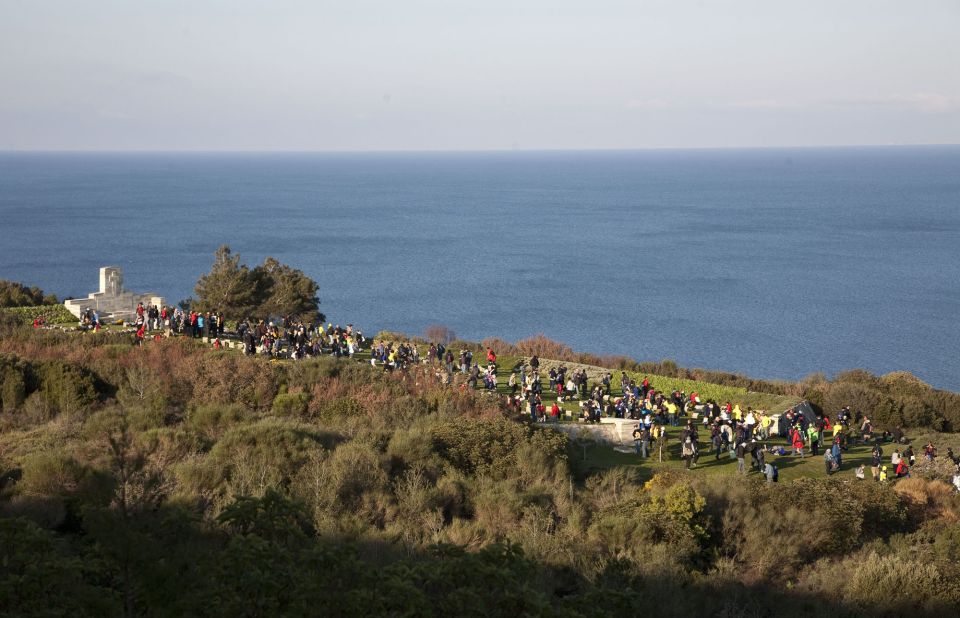
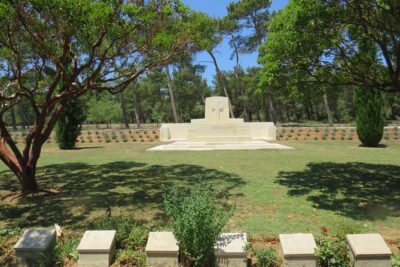
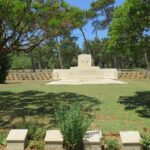
The tour makes sure you reach the Lone Pine Australian Memorial area. This memorial commemorates almost 5,000 Australians who have no known grave. That detail changes how you read the monument. It’s not only about who was found—it’s about who was never identified, and how families lived with that uncertainty.
Right after, you’ll visit Johnston’s Jolly. The walk-through element is one of the more striking parts of the day: you can see abandoned trench lines and tunnel entrances. Even from a distance, the place communicates how soldiers moved, waited, and survived underground and at the edges of visibility.
These stops are also valuable because they answer a simple question: where did the fighting actually happen? You get the feel of the battlefield as a system—trenches, routes, and choke points—not just a dramatic coastline.
A little further into the memorial landscape, you’ll also see the 57th Regiment Turkish Memorial. Pairing this with the ANZAC sights helps you understand the campaign as shared tragedy on both sides, not as a single-country story told in isolation.
Chunuk Bair: the highest point and the turning point
The final battlefield stop is Chunuk Bair, one of the highest points on the Gallipoli Peninsula. It also hosts the New Zealand National Memorial, which makes this a fitting closer for a tour centered on ANZAC history.
Here’s what matters about the story at Chunuk Bair. The hill was captured in August by New Zealand troops and held for two days. Then Ottoman forces, under the personal command of Mustafa Kemal, recaptured it. Mustafa Kemal later became the president of modern Turkey.
This recapture is explained as the effective end of Allied hopes for victory at Gallipoli. That’s why closing the day on this hill works. Instead of ending on scattered images, you finish with the campaign’s hinge—the moment that shifted what was possible.
You’ll also see memorial names for more than 850 New Zealand soldiers who fell in the area. That scale makes the place feel both intensely personal and historically massive. If the day has been emotional for you, this is often where it crystallizes.
Lunch in Eceabat: good food, but watch the time
Lunch is included at Eceabat and typically runs about an hour. The food is the standard local restaurant style—filling, simple, and meant to keep you going for sightseeing afterward.
Still, timing is the trade-off. Because the battlefield portion is a fixed block of guided time, lunch can limit how long you linger at the cove, ridge pull-offs, or cemeteries. If you’re the type who wants to take longer photos, read every plaque, and soak in the view angles, you may feel a bit rushed once lunch finishes.
My practical advice is to treat lunch as fuel, not a slow sit-down meal. Eat well, keep water in mind, and save your best patience for the memorials.
Also, because drinks aren’t included, it helps to plan what you’ll want to buy on-site. On hot days, that small decision can save you from being grumpy halfway through the coach ride.
Value and the $81 price: what you’re really paying for
At $81 per person, you’re paying for more than transportation. You’re buying three big things that cost real money when you do them alone: a professional English-speaking guide, ferry fees across the Dardanelles, and a full guided battlefield loop with coach transport in an air-conditioned vehicle.
The guide element is the value driver. On Gallipoli, a self-guided stop can turn into a blur of plaques and ridges. With a guide, you get a route that follows the logic of the campaign—intended landing, actual landing, the push inland, and the points where it broke.
Lunch included also helps you avoid the logistics scramble on the peninsula side. You’re on a tight schedule, and meals can become a hassle if you’re trying to coordinate buses, ferries, and restaurant timing at the same time.
So yes, it’s not a tiny price, but it’s a focused one. You’re effectively pre-paying for a structured, guided day that hits the core places without you needing a map, a guidebook, or extra transport planning.
Who this Gallipoli day tour suits best
This tour fits best if you have limited time and you want the main sites in a single shot. If you’re a first-time visitor to Gallipoli—especially from Australia or New Zealand—you’ll likely appreciate how the day ties ANZAC sites together with Turkish memorials and the broader context behind Mustafa Kemal’s role.
It’s also a good pick if you like getting your bearings fast. The route is designed to make sense of the battlefield’s geography, not just to check off points.
If you’re looking for a long, independent hike day with lots of off-track wandering, this may feel a bit structured. But if you want a guided story paired with the major places—shore, ridge, cemeteries, and memorial hills—this is the right format.
Before you go: small tips that make the day better
- Bring sun protection and plan for heat. The day runs in daylight, and you’ll spend time outdoors at stops.
- Wear comfortable shoes. Even short walks around memorials and trench areas add up.
- Take a moment to think about what you want from the memorials: names, units, and places matter. If you have family names or a unit to search for, keep that information handy and ask your guide to help you locate it on-site.
If you do those few things, the guide’s storytelling has a better chance to stick—and your photos come out better too.
Should you book this Çanakkale to Gallipoli tour?
If your goal is a focused, guided Gallipoli day trip that covers the key ANZAC landing areas, Second Ridge, Lone Pine, Johnston’s Jolly, and Chunuk Bair, I’d say book it. The route is built to connect ground to story, and the memorial stops are handled with real care.
I’d hesitate only if you’re very sensitive to schedule. The included lunch and the fixed guided timing mean you won’t control every minute. But for most people, that structure is the point: you get a memorable, meaningful overview without needing to plan transport across the peninsula on your own.
If you’re coming from Çanakkale for the day, this is one of the easiest ways to turn a short visit into a complete Gallipoli experience.
FAQ
Where is the meeting point in Çanakkale?
Meet in front of the Tourist Information Center at the ferry harbor in Çanakkale.
What time does the tour start?
The tour starts at around 10:45 AM.
Is there ferry transportation included?
Yes. You take the ferry across the Dardanelles Strait, and you use it again on the way back.
How long is lunch and where do you eat?
Lunch is about 1 hour in Eceabat at a local restaurant.
What sights are included on the battlefield portion?
You’ll visit Brighton Beach, ANZAC Cove, Ariburnu Cemetery, Lone Pine Australian Memorial, Johnston’s Jolly, and the 57th Regiment Turkish Memorial, and you’ll end at Chunuk Bair.
Is the guide English-speaking?
Yes. The tour includes a professional English-speaking guide.
What is the total duration of the tour?
The total duration is 6 hours.
Is hotel pickup available?
Pickup is optional. If you book pickup, it’s from city center hotels around 10:45 AM, or a meeting point is set in the city center if your hotel is far.
Are drinks included with lunch?
No. Drinks during lunch are not included.