REVIEW · CANAKKALE
Troy and Gallipoli Day Trip from Canakkale
Book on Viator →Operated by Hassle Free Travel · Bookable on Viator
Myth and mourning meet in one long day. This full-day trip from Çanakkale pairs Troy archaeological layers (with the replica wooden Trojan Horse) with Gallipoli’s WWI battle sites and memorials, using air-conditioned transport and a ferry ride. You’ll also get a guided narrative that connects Homer’s stories to the real excavations—and then to 1915.
I love how the day is built like two connected chapters, not a rushed checklist. In particular, I like the way guides such as Ercan bring Troy’s history into focus, and I like that Gallipoli is handled with care—centering cemeteries and remembrance rather than turning tragedy into a photo stop.
One thing to consider: it’s a 10-hour outing with an 8:30 am start, and it requires good weather (so plan for the possibility of a date change if conditions aren’t right).
In This Review
- Key things to know before you go
- Why Troy and Gallipoli fit together better than you’d expect
- How the 8:30 start shapes your day in Çanakkale
- Troy archaeology: seeing nine cities layered over legend
- The Odeon and the feel of Troy IX
- The replica wooden Trojan Horse: why it’s useful (and what it is)
- Troy Museum moments: making the site easier to read
- Lunch in Çanakkale: a reset between myth and WWI
- Gallipoli: from Brighton Beach to the named battle points
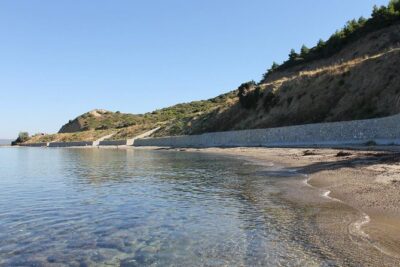
- ANZAC Cove and the shoreline view that clarifies the story
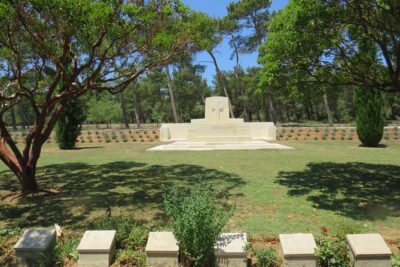
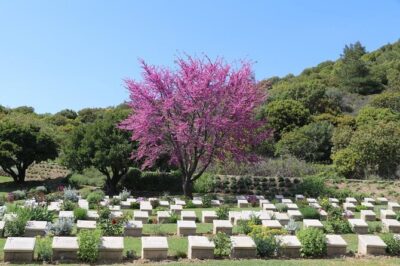
- Ari Burnu, Beach Cemetery, and Lone Pine: remembrance with context
- Group size, guide storytelling, and why the experience feels paced
- Transport and what’s included in the $250 price
- Who this tour is best for (and who might not love it)
- What to bring for a long day on the road
- Should you book this Troy and Gallipoli day trip?
- FAQ
- How long is the Troy and Gallipoli day trip from Çanakkale?
- Where do we meet for the tour and what time does it start?
- What does the $250 per person price include?
- Are drinks included with lunch?
- How large is the group, and what language is the tour?
- What are the main sites you visit in Troy and Gallipoli?
- What happens if the tour is canceled due to weather?
- Can children or service animals participate?
Key things to know before you go
- Two big worlds in one day: Troy’s excavated cities and Gallipoli’s WWI battlefields
- The replica wooden Trojan Horse helps translate myth into a site you can actually picture
- ANZAC Cove plus key combat points like Brighton Beach, Johnston’s Jolly, The Nek, and Walker’s Ridge
- Memorial coverage on both sides including Beach Cemetery, Lone Pine Cemetery, the Turkish Memorial, and Chunuk-Bair
- Lunch in Çanakkale and entrance fees handled so the day stays simple and predictable
- Small group size (max 15 people) for a more conversational feel
Why Troy and Gallipoli fit together better than you’d expect
Most day trips pick one theme and stick to it. This one does something smarter: it links myth-making and modern history through story structure. At Troy, you’re introduced to Homer’s legendary backdrop (the Trojan War triggered by Helen’s abduction) and then shown how archaeology has stacked discoveries over thousands of years. In other words, you’re not just hearing a tale—you’re watching how real layers of time can complicate a legend.
Then Gallipoli changes the tone, but not the approach. The WWI sites are also explained in a way that helps you orient yourself: beaches, ridges, and named points become understandable geography, not just captions on a map. If you care about context—why events happened where they did—this format usually lands well.
You can also read our reviews of more tours and experiences in Canakkale.

How the 8:30 start shapes your day in Çanakkale
The tour meets at Anzac House Youth Hostel in central Çanakkale (Kemalpaşa, Cumhuriyet Blv. No:59) and starts at 8:30 am. From there, you’ll ride out in an air-conditioned minivan as a group. Because it’s an approximately 10-hour day, you’ll want to treat it like a full commitment: eat beforehand if you can, and keep your energy steady through the day.
The logistics are also part of the value. Round-trip shared transfer is included, so you’re not spending your morning figuring out what bus to take or where to park. Plus, the pace is designed to fit major Troy highlights and then multiple Gallipoli stops before returning you to the meeting point.
Troy archaeology: seeing nine cities layered over legend
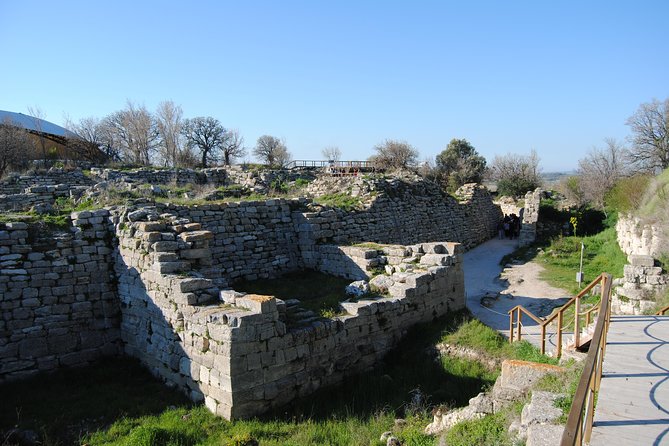
Troy is one of those places where your first impression might be “ruins,” but the best tours help you read what you’re seeing. Here, the story starts en route with Homer’s Iliad framing, then moves into the real site: ruins thought to connect with the setting of the Trojan War.
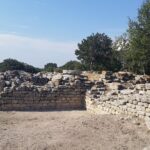
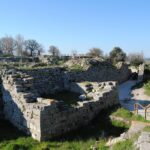
At the archaeological area, you’ll hear how the ruins were discovered in the 1870s and how excavations continue today. One of the most striking facts you’ll get is that nine cities have been identified at the site, stretching back to around 3,500 BC. You’ll also learn about sacrificial altars and the existence of very old city walls—reported here as about 3,700 years old. That timeline matters because it shifts Troy from a single mythic moment to a long-term human settlement.
You’ll also move through highlights that reflect different eras. The tour describes Troy’s development from earlier phases (including the first house of Troy dating to roughly 3,000 to 2,500 BC) through later layers such as Troy IX. That kind of staging helps you understand that what survives today is the result of repeated building, rebuilding, and abandonment.
The Odeon and the feel of Troy IX
One of the nice features of this tour style is that it doesn’t stop at one iconic object. It points you toward specific remnants that help you picture civic life—like the Odeon (Concert Hall). Even if you don’t know ancient architecture terms, it’s easier to grasp a city when you see a space that suggests events, gathering, and everyday culture.
And because the tour speaks to Troy IX specifically, you’re not left with a vague sense of “this is old.” You’re encouraged to connect the physical structures to the particular era the guide is explaining. That’s exactly what turns archaeological facts into an experience you can follow.
The replica wooden Trojan Horse: why it’s useful (and what it is)
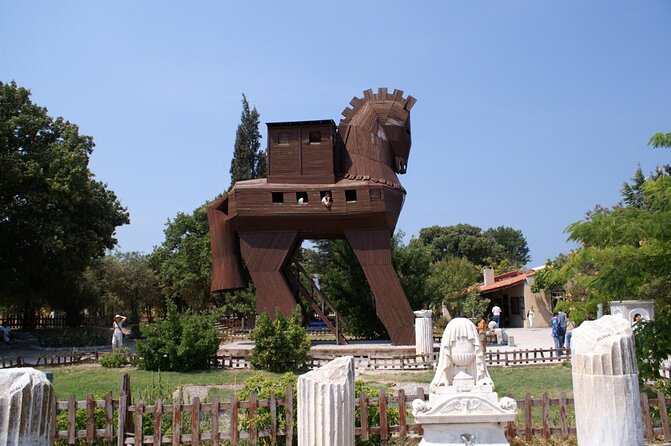
At Troy, you’ll see a replica wooden Trojan Horse. This matters because it addresses the big question people naturally have: where does the myth live once you’re standing in the real geography?
A replica won’t replace an excavation, but it does something useful—it helps you visualize the famous siege story in a way that sticks. You’ll see it as a teaching tool within the broader context of the site’s layers and the legend tied to them. For many history lovers, it’s the bridge between “Homer’s tale” and “what an actual site feels like.”
Troy Museum moments: making the site easier to read
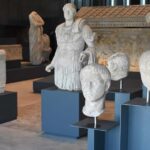
The stops are arranged so you don’t only see open-air ruins. You’ll also get time connected to the Troy area’s museum content, which helps explain what you’re viewing on the ground. This is a practical benefit: when you can match artifacts and interpretive context to the site, you’re less likely to feel like you’re wandering.
In the stories you’re told, you’ll be nudged to notice how many phases the city went through—again reinforcing that Troy isn’t one time period. It’s a sequence. That’s one of the reasons this day works for both mythology fans and archaeology fans.
Lunch in Çanakkale: a reset between myth and WWI
After Troy, you’ll stop for lunch in Çanakkale. Drinks aren’t included, but the lunch itself is part of the tour, which is a big deal on a day this long. It keeps the schedule stable and saves you the hassle of finding food between two major history blocks.
This break also functions mentally. Troy can be intense in a quiet way because it’s layered and dense with time periods. Gallipoli is heavier—emotionally and physically. Having a proper mid-day pause helps you transition without rushing.
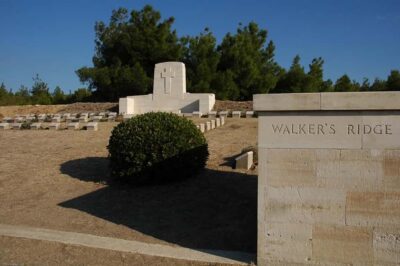
Gallipoli: from Brighton Beach to the named battle points
After lunch, the tour heads to Gallipoli’s WWI area. This is where the trip shifts from ancient settlement to 1915’s military campaign, and the narrative focus changes accordingly: beaches, ridges, and named points become the way you understand how fighting unfolded.
You’ll visit several key sites, including:
- Brighton Beach
- ANZAC Cove
- Johnston’s Jolly
- The Nek
- Walker’s Ridge
Each place name is more than a label when you hear the story tied to it. For you, the payoff is perspective. You’re not just looking at coastlines; you’re learning why certain locations became focal points. That’s especially true at ANZAC Cove, which acts like a central reference point for the wider campaign.
ANZAC Cove and the shoreline view that clarifies the story
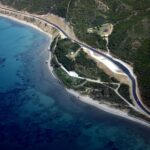
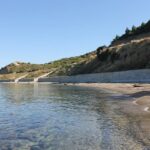
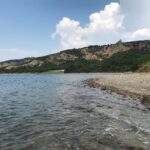
ANZAC Cove is one of the stops that tends to land hardest because it helps you connect the narrative to the geography you can actually see. When you stand in these spots, the battlefield becomes readable.
Even if you already know the basics of 1915, this kind of structured site sequence usually improves understanding. The tour’s order helps you build an internal map, so later memorial stops make more sense.
Ari Burnu, Beach Cemetery, and Lone Pine: remembrance with context
The tour also includes a set of cemeteries and memorial locations that ground the story in human cost. You’ll visit places including:
- Ari Burnu
- Beach Cemetery
- Lone Pine Cemetery
- the Turkish Memorial
- Chunuk-Bair
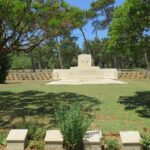
This is the part of the day where the tone changes. You’re not just learning troop movements—you’re encountering remembrance spaces linked to those who died. The value here is balance. By including memorials and cemeteries connected to different sides, the tour steers you toward understanding loss without turning it into a contest.
It also gives the day a kind of closure. After seeing the named sites tied to action, the memorial sequence helps you process what those locations represent today.
Group size, guide storytelling, and why the experience feels paced
This outing caps at 15 travelers, which matters more than people think. In a larger group, questions get lost and timing becomes rigid. In a small group, you’re more likely to get clearer explanations—and you can often hear details without straining.
Guides are a major part of the experience, and the names Ercan (as praised for warm, scholarly storytelling) and Ezgi (as highlighted for arranging things smoothly) show up in the orbit of this tour style. You’ll want a guide who can handle two very different subjects—mythic ancient Troy and modern wartime remembrance—with a steady voice and good pacing. Based on what’s consistently emphasized, this is where the tour shines.
Transport and what’s included in the $250 price
At $250 per person, the big question is: what are you really paying for? In this case, you’re not just buying access to one site. Your day includes:
- Round-trip shared transfer from the meeting point
- Air-conditioned minivan transport
- a ferry ride
- entrance fees
- a local guide
- lunch in Çanakkale
When you add that up, the price becomes less about ticket cost and more about convenience plus guided interpretation. If you were to plan it yourself, you’d spend time coordinating transport, working out entrance options, and trying to string together Troy and Gallipoli in one day without losing time. Here, that work is done for you.
The main thing not included is drinks. That’s normal, but it’s worth planning for so you aren’t surprised.
Who this tour is best for (and who might not love it)
This is a great fit if you:
- like guided context more than self-guided wandering
- want both Troy and Gallipoli in one day without splitting your schedule
- care about how a story changes when you see the real sites tied to it
- appreciate a pacing that moves through many named locations while still explaining them
It’s less ideal if you:
- prefer a slower pace with lots of free time at just one site
- get mentally overloaded by back-to-back history from wildly different eras
- want a completely flexible schedule (because it’s built as a set day plan)
What to bring for a long day on the road
Even without getting fancy, a 10-hour day means you’ll feel the basics. Bring what keeps you comfortable from morning to late afternoon: a hat for sun, sun protection, and layers if the weather turns. You’ll be traveling by minivan and on a ferry ride, so plan for temperature changes and keep water in mind since drinks aren’t included.
Also, consider charging your phone or camera the night before. You’ll see both ancient ruins and multiple named WWI memorial spots, and you’ll want something to remember the sequence.
Should you book this Troy and Gallipoli day trip?
Book it if you want a single day that tackles two major historical worlds with a guide who keeps the story clear. The value is strong because transport, entrance fees, lunch, and guided interpretation are built in—so you spend your time learning rather than coordinating.
Skip it only if you’re not up for a long day (start at 8:30 and run about 10 hours) or you know you’ll struggle with schedule changes if the day needs to be moved due to weather.
If you’re deciding between “see Troy” and “see Gallipoli,” this tour offers the best of both with a respectful, story-driven approach.
FAQ
How long is the Troy and Gallipoli day trip from Çanakkale?
It runs for approximately 10 hours.
Where do we meet for the tour and what time does it start?
You meet at Anzac House Youth Hostel in Çanakkale, and the start time is 8:30 am.
What does the $250 per person price include?
It includes lunch, a local guide, round-trip shared transfer, and transport by air-conditioned minivan (and the experience also includes a ferry ride and entrance fees).
Are drinks included with lunch?
No, drinks are not included.
How large is the group, and what language is the tour?
The tour has a maximum of 15 travelers, and it is offered in English.
What are the main sites you visit in Troy and Gallipoli?
In Troy, you visit the ruins and Troy highlights such as the replica wooden Trojan Horse. In Gallipoli, you visit key sites including Brighton Beach, ANZAC Cove, Johnston’s Jolly, The Nek, Walker’s Ridge, and memorials/cemeteries such as Ari Burnu, Beach Cemetery, Lone Pine Cemetery, the Turkish Memorial, and Chunuk-Bair.
What happens if the tour is canceled due to weather?
If it’s canceled because of poor weather, you’ll be offered a different date or a full refund.
Can children or service animals participate?
Children must be accompanied by an adult, and service animals are allowed.