REVIEW · CANAKKALE
Canakkale: Full-Day Ancient Troy and Museum of Troy Tour
Book on GetYourGuide →Operated by Crowded House Tours · Bookable on GetYourGuide
Layered ruins and Homer, all in one day. This full-day tour pairs the Museum of Troy with the UNESCO site of Troy, so you don’t just see stones—you learn how the stories and archaeology connect. I especially like how you get museum time on your own pace and then a live guide at the site who explains the myths and the excavation history. One watch-out: the museum portion can feel a bit tighter than you’d expect if you like to linger over displays.
You’ll start with hotel pickup in Çanakkale at 10:00 AM, then ride about 30 minutes to Troy. The plan is built for flow: about two hours in the museum, free time for lunch, then a guided two-hour walk at the ancient site in English. Bring your passport or ID card, and note this tour isn’t suitable for wheelchair users.
What makes it work for most people is the mix of self-guided and guided time. You’ll get to read and wander through museum artifacts without a loud group rhythm, and then the guide turns the layered ruins into a story you can actually follow. If you want narration during the museum visit too, you’ll rely on the optional audio guide at the entrance since there’s no live museum guide.
In This Review
- Key points at a glance
- Çanakkale to Troy in 30 minutes: what the timing really means
- Troia Museum: artifacts first, and why the self-paced part is a plus
- A practical timing note
- UNESCO Troy with an English guide: walls, houses, and nine cities stacked like a timeline
- How the guide connects myth and excavation
- Guide note
- Trojan War legend vs. the layered reality you’ll walk through
- Lunch break in Troy: plan for food time, not included meals
- Price and value at $164: what you’re paying for
- Who this tour fits best (and who should skip)
- Tips to make the day smoother
- Should you book the Canakkale Full-Day Ancient Troy and Museum of Troy Tour?
- FAQ
- What time does hotel pickup start?
- How long is the tour?
- Do I get a live guide in the Museum of Troy?
- What will I see at the UNESCO site of Troy?
- Is lunch included?
- Is the tour suitable for wheelchair users?
- Can I cancel and get a refund?
Key points at a glance
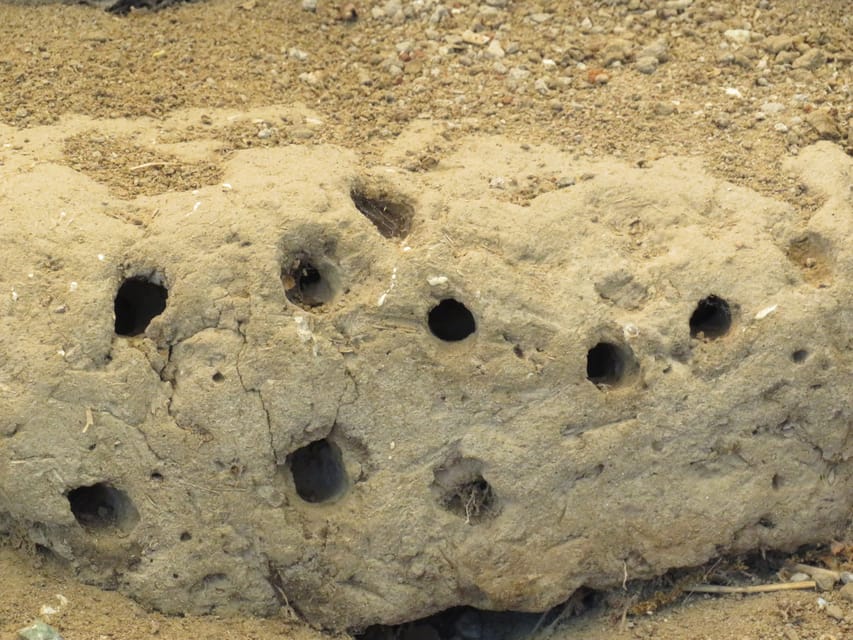
- Museum of Troy artifacts: a self-paced visit, with optional audio guide at the entrance
- Walk the defensive walls: see the 3,700-year-old city walls at the UNESCO site
- Layered settlements: nine cities built on top of each other, dating before 3500 B.C.
- Trojan War context: the Homer-famous Troy is only one layer among many
- Excavation story from Schliemann to now: learn how discoveries have grown for more than 150 years
- Hotel door pickup and drop-off: air-conditioned transport means less hassle in Çanakkale
Çanakkale to Troy in 30 minutes: what the timing really means
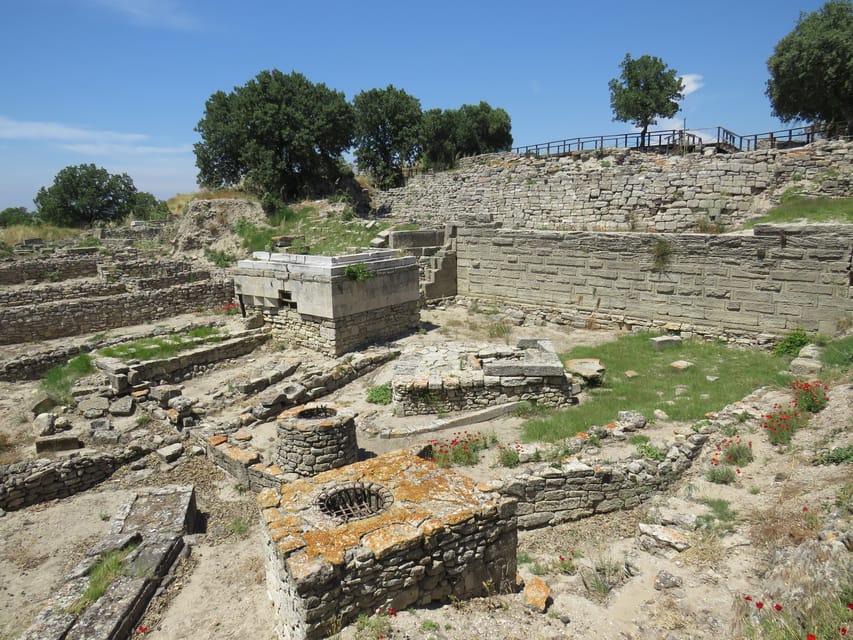
This is a 6-hour day trip that starts right at your hotel door in Çanakkale. Pickup is scheduled for 10:00 AM, and you’ll travel for about 30 minutes to reach the Troy area. That timing matters because it gives you enough daylight hours for both the museum and the outdoor ruins without turning the day into an all-day slog.
The structure is pretty clear: you’ll do the Troia Museum first, then get a break for lunch, and finish with the guided portion at the UNESCO Troy site. On paper, that museum time is around two hours. In real life, it can still feel short if you like to read every label and spend a long time comparing objects. The good news is that you’ll have more guidance at the ancient site, where the layout and big “wow” moments can be easier to grasp with an expert explaining what you’re looking at.
Transport is handled by an air-conditioned vehicle, and you’ll be dropped back at your hotel after the tour. You’re not left trying to solve bus schedules or parking logistics on your own, which is exactly the kind of value that matters when you’re only in town for a day or two.
You can also read our reviews of more tours and experiences in Canakkale.


Troia Museum: artifacts first, and why the self-paced part is a plus
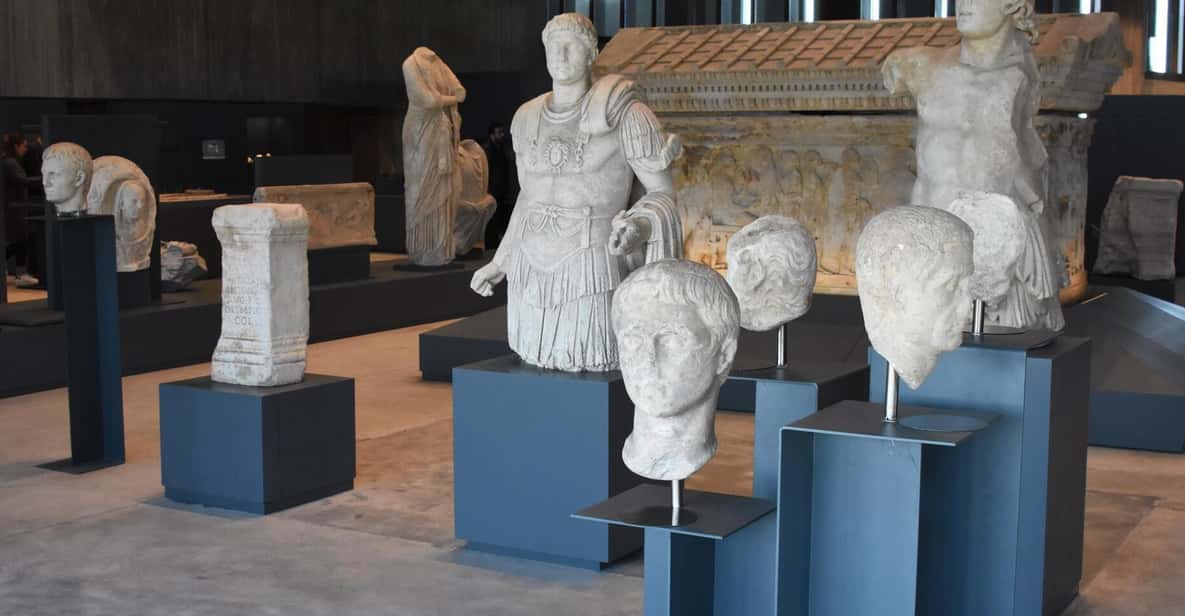
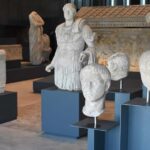
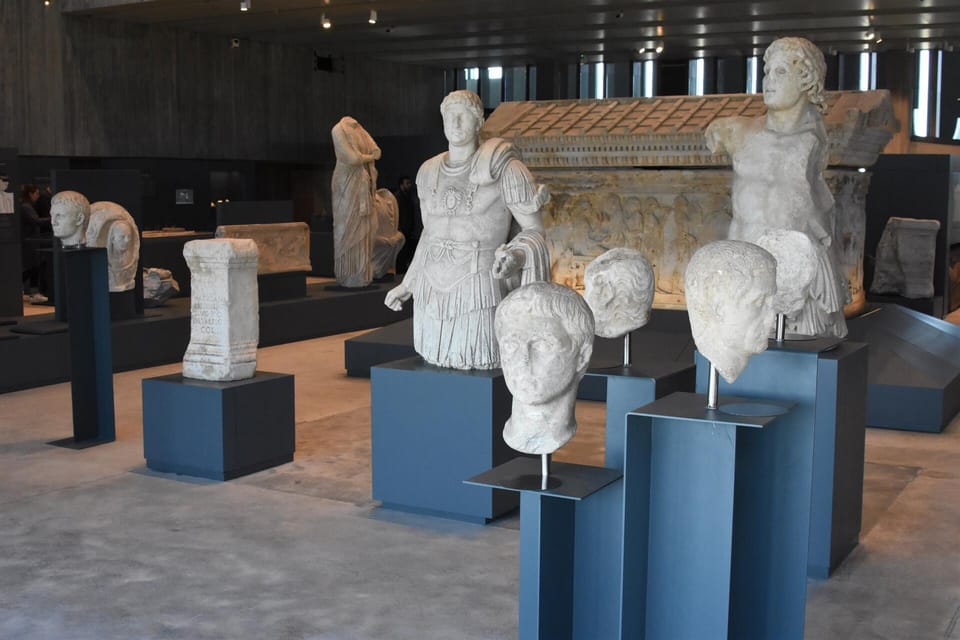
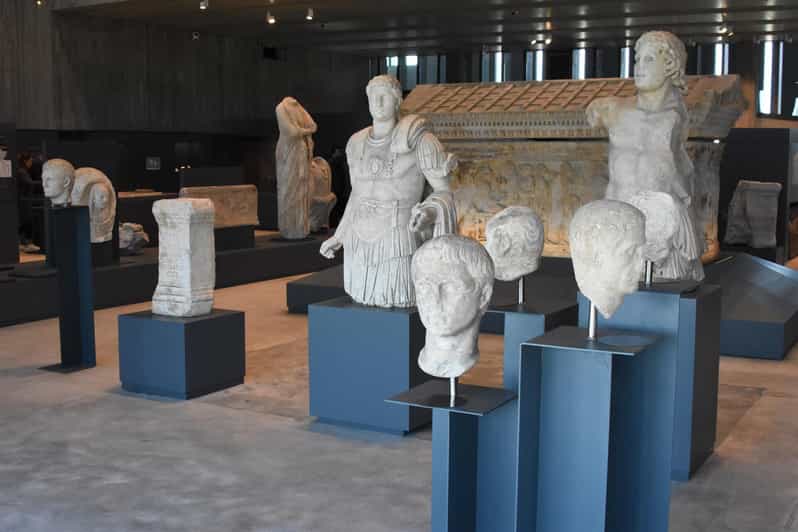
The Troia Museum visit is where you get the “why it matters” before walking the ground itself. You’ll spend about 2 hours inside, and this portion is without a live guide, meaning you can go at your own speed. If you like museums, this setup is gold. You can linger over particular artifacts, compare things side by side, and stop when a display clicks with what your guide will explain later outside.
The museum is known for showing unique artifacts excavated around Troy. That matters because the Troy you see on the UNESCO site is layered and complex. Without context, you can feel like you’re wandering through the past with no map. With the museum objects in front of you, the site becomes easier to interpret—especially when the guide starts connecting the mythology and the excavation timeline to what’s still visible in the ruins.
Audio is your backup here. If you want some narration during the museum visit, you can hire an audio guide at the entrance. That’s a good compromise: you get guided explanations without a group stopping every five minutes.
A practical timing note
Because this museum section is self-guided, your pace controls the experience. If you go fast, you might end with more energy for the site. If you go slow, you might feel the squeeze when it’s time to meet the guide. Plan on walking with purpose, and pick a few key sections to focus on so the museum visit feels satisfying rather than rushed.
UNESCO Troy with an English guide: walls, houses, and nine cities stacked like a timeline
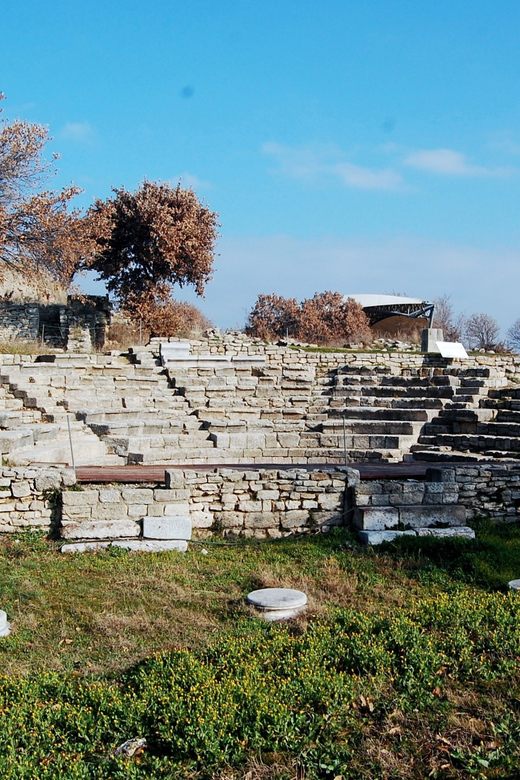
After the museum and lunch break, you’ll meet your local guide for the main event: the UNESCO-listed site of Troy. This guided portion lasts about 2 hours and is where the tour earns its keep. You’re not just looking at ruins—you’re learning what each layer represents and why the site is famous for more than one reason.
Here’s what stands out at the ancient site:
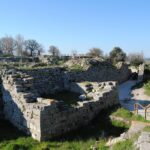
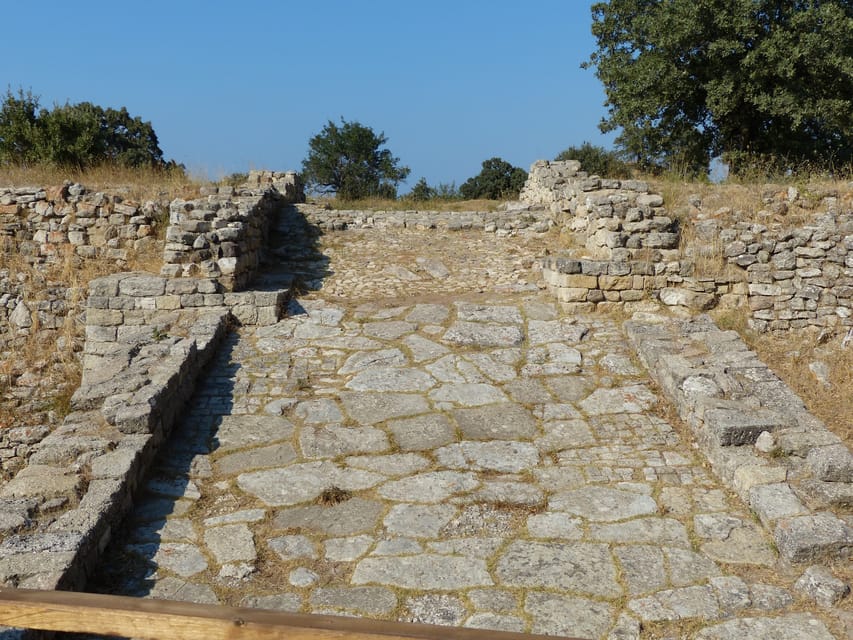
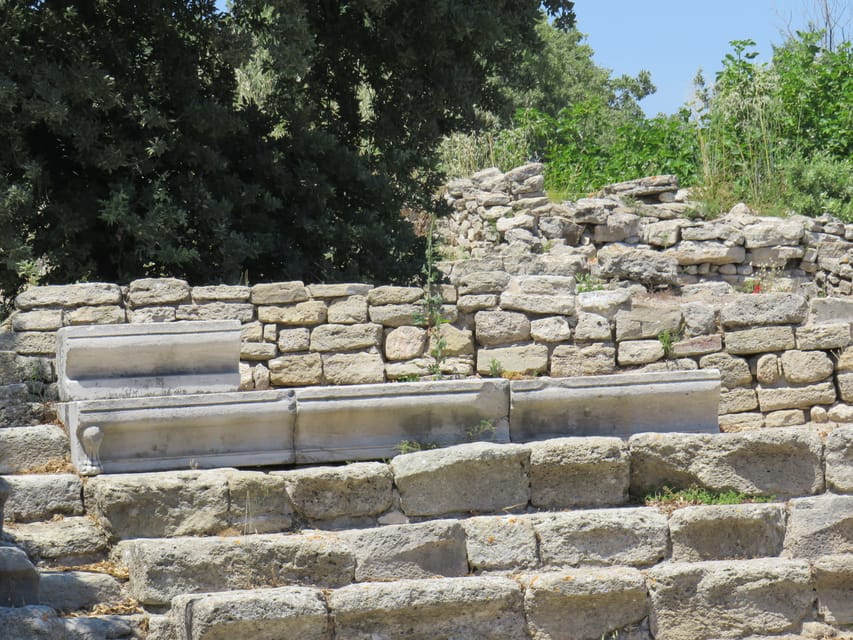
- You can walk along the defensive walls, described as 3,700-year-old. Standing near walls like this changes your mental scale. It’s one thing to read about battles and another to sense the effort it took to build and defend.
- You’ll see remains of settlement areas where everyday life happened—ruins of houses dating back more than 3,000 years. These aren’t just monuments; they’re traces of how people actually lived.
Then comes the big concept that keeps Troy from feeling like one simple legend: nine cities were discovered here, built one atop another, with origins dating to before 3500 B.C. That stacked timeline is the key to understanding why Troy keeps reappearing in stories. Homer’s Troy—the one tied to the Iliad and the Trojan War—turns out to be only one of many layers, not the whole story.
How the guide connects myth and excavation
This is where a good guide makes the difference. The live English narration you get on-site focuses on the mythology surrounding Troy as well as the history and discoveries from archaeology. You’ll hear how the site was discovered in the 1870s by Heinrich Schliemann, and how excavations have continued for more than 150 years.
That long excavation effort matters for two reasons. First, it helps explain why there are multiple Troy phases rather than a single city. Second, it reinforces the idea that Troy still produces meaningful discoveries. The tour frames it that way—so the site feels active and ongoing, not frozen in a textbook.
One more detail that helps the walk make sense: you’ll be shown how the defensive fortifications and the lived-in areas relate to each other. When the guide points out paths and settlement remains, it’s easier to imagine people moving through these spaces—roads, doorways, and neighborhoods—thousands of years before modern tourism.
You can also read our reviews of more tours and experiences in Canakkale
Guide note
In the feedback I’ve seen, the English-speaking local guide for this portion—such as Ibrahim—gets singled out for strong explanations that tie the mythic framework to what archaeology has uncovered.
Trojan War legend vs. the layered reality you’ll walk through
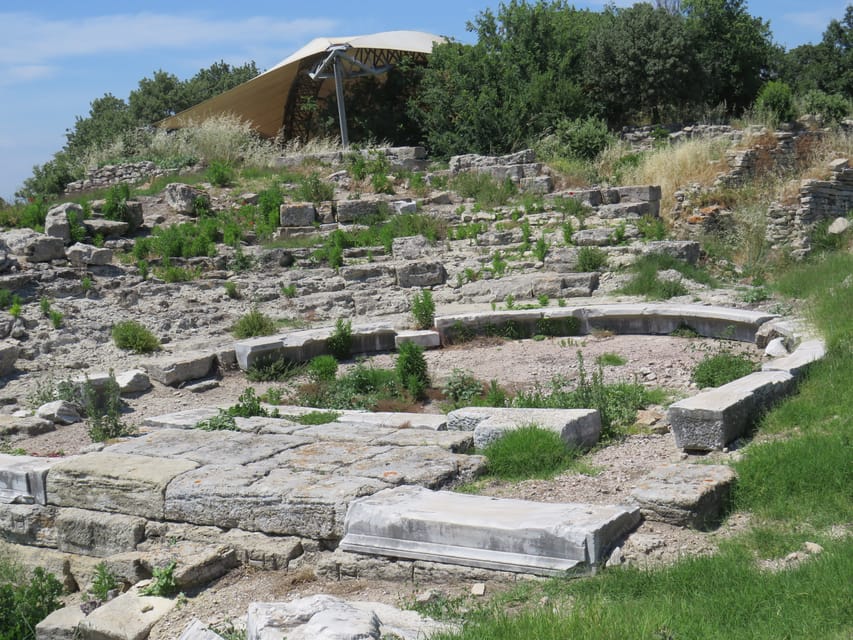
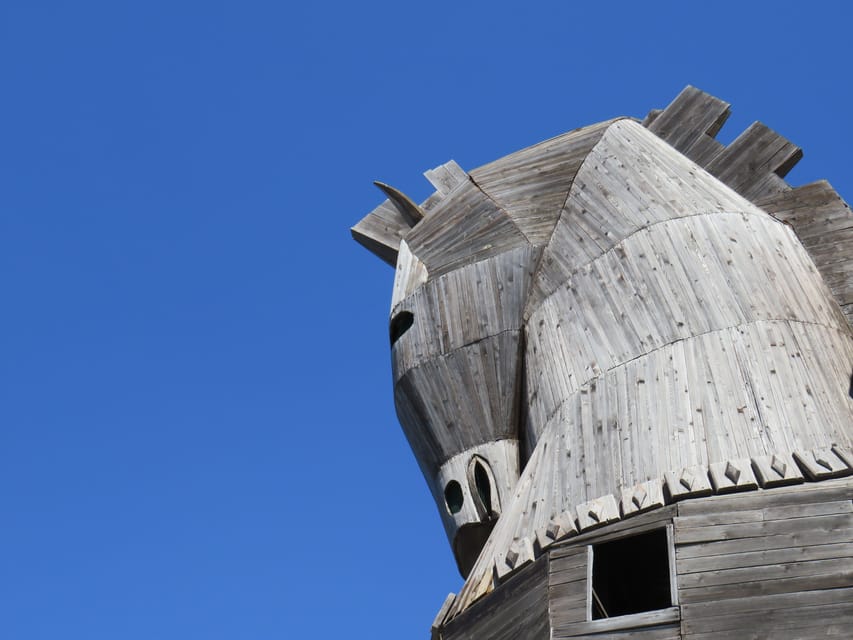
If you know only the Trojan Horse story, this tour is an education in how myths grow around places. Troy is famous because the legends are dramatic, but the UNESCO site is compelling because the ground shows something more complicated.
You’ll likely come away thinking of Troy less like one city and more like a long-running neighborhood that changed over time. Nine separate cities built on top of each other means each era left its own imprint—walls, buildings, and traces of daily life. That makes the walk feel like following chapters rather than marching through one ruins-of-one-period scenario.
The guide’s job, and a big reason to take a tour instead of wandering alone, is to keep those layers from turning into confusion. When the mythology is explained alongside the excavation story—from Schliemann’s early work through present research—it helps you see why the site is so famous. The Trojan War becomes one highlight inside a much bigger archaeological timeline.
So yes, you’ll learn about the Trojan War. But you’ll also learn that the real power of Troy is how archaeology forces you to ask better questions than legends alone.
Lunch break in Troy: plan for food time, not included meals
You’ll have free time for lunch after the museum visit. Lunch and drinks are not included, so you’ll be deciding on your own how to handle food.
This is one of those small logistical moments that can shape your whole day. If you’re the type who dislikes rushing a meal, give yourself extra patience and be ready to keep things simple. If you’re the type who snacks easily and keeps moving, you can use this break to refresh before the guided walk.
If you want to reduce stress, think about what you’ll do during that hour. You can eat nearby, or you can plan something lightweight so you’re not hungry during the last two guided hours. Either way, the tour’s schedule already assumes you’ll handle lunch on your own.
Price and value at $164: what you’re paying for
At $164 per person, this isn’t a bargain-basement outing. But it’s also not overpriced when you break down what you’re getting.
Your price includes:
- air-conditioned vehicle transport
- hotel pickup and drop-off
- entrance fees to the Museum of Troy and the ancient site
- a professional local guide for the UNESCO Troy portion
You’re also getting English live guiding when it matters most—outdoors, across ruins where context makes the difference. And museum time isn’t just thrown at you; it’s paired with a guided interpretation of what you saw.
Lunch and drinks are separate, and there’s no live museum guide (audio is available). If you’re the kind of traveler who wants a guided museum narration too, you might feel the museum portion is more independent than you prefer. Also, one practical consideration from real-world experience is that museum time can feel shorter than advertised, so the value depends on whether you can adapt your pace.
Still, if you want a focused day without handling transportation and ticketing yourself, this price is easier to swallow. You’re paying for saved time and for guidance at the exact moment your understanding will either click or fall flat.
Who this tour fits best (and who should skip)
This is a great fit if:
- you’re visiting Çanakkale and want a structured day to see Ancient Troy efficiently
- you want both museum artifacts and guided interpretation of the UNESCO site
- you’re interested in how archaeology changes what the legends mean
- you prefer English explanations during the outdoor portion
It’s not a great fit if:
- you need wheelchair accessibility (the tour is not suitable for wheelchair users)
- you expect the museum to be fully guided in real time (it’s self-paced, with audio as an option)
- you strongly dislike “tight schedules” and tend to linger in museums without compromise
Tips to make the day smoother
A few practical things will help you have a calmer, better day:
- Bring your passport or ID card since it’s required.
- Be ready for a pickup rhythm: wait in the hotel lobby about 5 minutes before scheduled pickup time.
- For the museum, decide in advance what you want most: broad browsing or a few must-see exhibits. The visit is self-paced, so you control the outcome.
- Wear comfortable shoes. The guided portion involves walking the site, including along ancient pathways and walls.
Should you book the Canakkale Full-Day Ancient Troy and Museum of Troy Tour?
I’d book this if you want one well-organized day that connects the Troy museum artifacts to the UNESCO ruins with live English guidance where it counts. The strongest benefit is the pairing: museum context first, guided interpretation at the layered site second.
Skip it if you need full guidance during the museum visit or if you dislike time constraints—because the museum stop can feel brief depending on your pace. And if wheelchair access is an issue, this one isn’t designed for it.
If your goal is to leave Troy with a clear understanding of nine layered cities, what the Trojan War story represents, and why Schliemann’s discoveries started something bigger than a legend, this tour is a solid choice.
FAQ
What time does hotel pickup start?
Pickup is scheduled for 10:00 AM from your Çanakkale accommodation.
How long is the tour?
The total duration is 6 hours.
Do I get a live guide in the Museum of Troy?
No. The Museum of Troy part is self-paced without a live guide. You can hire an audio guide at the museum entrance.
What will I see at the UNESCO site of Troy?
You’ll see the UNESCO-listed Troy site, including the defensive city walls and ruins of older settlements. The guide explains that nine cities were built on top of each other, dating back to before 3500 B.C.
Is lunch included?
No. Lunch and drinks are not included, though you’ll have free time for lunch during the day.
Is the tour suitable for wheelchair users?
No. The tour is not suitable for wheelchair users.
Can I cancel and get a refund?
Yes. You can cancel up to 24 hours in advance for a full refund.