REVIEW · CANAKKALE
Full Day Private Tour of Helles and Anzac
Book on Viator →Operated by Crowded House Tours · Bookable on Viator
History hits hard on Gallipoli. This full-day private tour focuses on the Allied landings at Helles and the Anzac battlefields, then guides you through the cemeteries and memorials that still shape how people read this place. I love the pace control that comes with a private format, and I also love that you get meaningful time in both sectors, not just a quick drive-by.
One thing to plan for: no lunch is included, so you’ll need to budget time and money for food during the midday break. The day is about 9 hours end-to-end, so it helps to be comfortable walking a bit on uneven ground and spending several hours outdoors.
In This Review
- Key highlights that matter on the ground
- Ferry ride start: Canakkale, Dardanelles, and the right geography
- Entering Gallipoli National Park through Helles sector
- Namazgah Battery and Rumeli Mecidiye Battery
- Turkish Monument, V Beach, and Helles Memorial
- Lancashire Landing Cemetery and Twelve Trees Copse Cemetery
- Switching coasts: the Anzac sector and its key memorials
- Anzac Cove and the Anzac Commemorative Site
- Ariburnu Cemetery and The Sphinx
- Lone Pine Australian Memorial
- Johnston’s Jolly: tunnels and trenches
- Chunuk Bair New Zealand Memorial
- Private guiding: what you gain with a tailored day
- Eceabat wrap-up: the ferry return or a simpler ending
- Price and value: $336.44 per person for a private, admission-included day
- Timing, pacing, and what to bring for a 9-hour remembrance day
- Who should book this Helles and Anzac private tour?
- Should you book this private full-day Gallipoli tour?
- FAQ
- FAQ
- Is pickup included?
- Do I need a ferry ride?
- What time does the tour start?
- How long is the tour?
- Is this tour private?
- What language is the tour offered in?
- What’s included in the price?
- Is lunch included?
- Where does the tour end?
- Does the tour require good weather?
- What’s the cancellation rule?
Key highlights that matter on the ground
- Two battle sectors, real time in each: You’ll spend about four hours at Helles and four hours at Anzac, keeping the day from feeling rushed.
- Major named sites across both coasts: From Helles Memorial and Lancashire Landing Cemetery to Lone Pine and Chunuk Bair, you cover the anchors people came for.
- A private English-speaking guide who tailors the day: Guides like Otak, Hasan, Ibrahim, and Charlie are specifically praised for adjusting the tour and explaining the terrain clearly.
- Batteries, beaches, and memorials all linked together: You’re not only seeing monuments—you’re also learning how the lines and elevations connect.
- Ferry time is built into the trip from Canakkale: A short Dardanelles crossing helps you start with the right geography, then you return the same way.
- Admission is handled for the core park stops: Entry is included for the Helles and Anzac sectors, while Canakkale and Eceabat stops are free.
Ferry ride start: Canakkale, Dardanelles, and the right geography
The day begins in Canakkale with pickup from your hotel or cruise port, then a short ferry ride across the Dardanelles. It’s only about 30 minutes, but it does a smart job: it puts you on the correct side of the story before you ever step onto the peninsula.
Crossing from Asia to Europe isn’t just scenic trivia. In this area, the waterway controls movement, supply, and strategy, so even a quick “getting oriented” moment pays off later. You’ll also understand why staying in different towns changes the logistics.
If you’re staying in Eceabat, you skip the ferry at the start and end. That saves time and helps you keep the day feeling less like transport and more like the battlefield itself.
You can also read our reviews of more tours and experiences in Canakkale.

Entering Gallipoli National Park through Helles sector
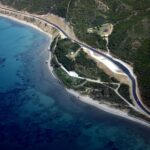
Helles is where the Allied landings took center stage on April 25, and it remained the main battlefront for months. This tour treats it as the foundation of the day, with a focused route that connects coastal landings to the defensive positions facing them.
You’ll spend about four hours in the Helles area, with admission included. That time matters here. Many tours rush the coastline and only point at memorials, but this one gives you enough minutes to understand why specific locations were chosen and what the terrain would have felt like on the day.
Namazgah Battery and Rumeli Mecidiye Battery
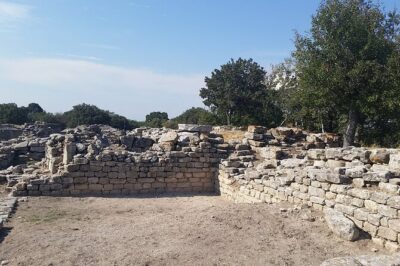
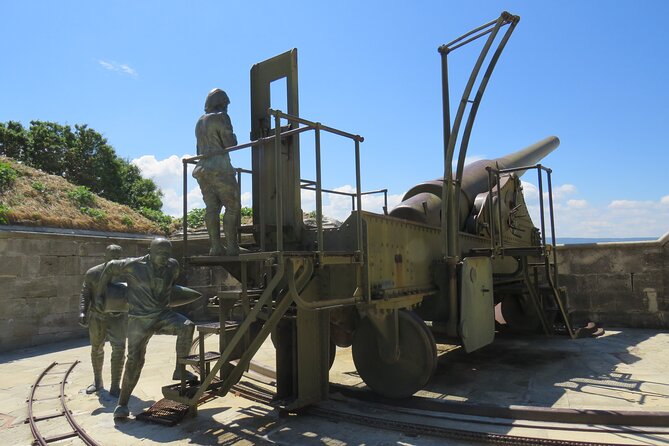
You’ll visit Namazgah Battery and Rumeli Mecidiye Battery—both tied to the Ottoman artillery positions on the peninsula. I like this approach because it prevents the day from becoming only about flags and names.
When you see the batteries in context, you start noticing elevation, line of sight, and how the shoreline changes. That’s the kind of detail a good guide can turn into an easy story you can remember long after you leave.
Turkish Monument, V Beach, and Helles Memorial
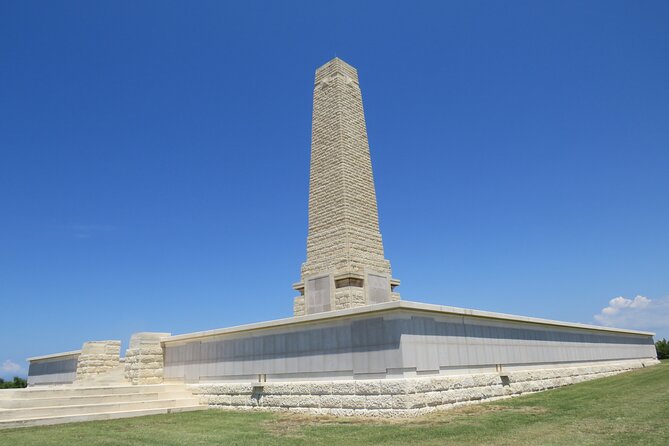
Next come the signature anchor points: the Turkish Monument, V beach, and the Helles Memorial. These aren’t just stops to photograph and move on.
They help you track the human side of the campaign—where people landed, where they advanced or stalled, and where remembrance was later fixed in place. If you care about military history or simply want to feel oriented, these sites help you build a mental map fast.
Lancashire Landing Cemetery and Twelve Trees Copse Cemetery
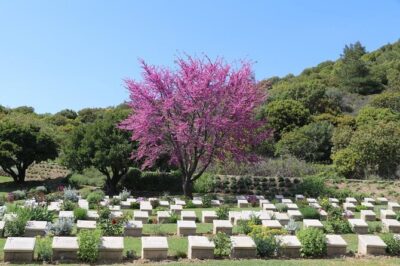
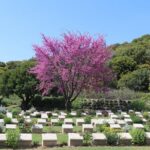
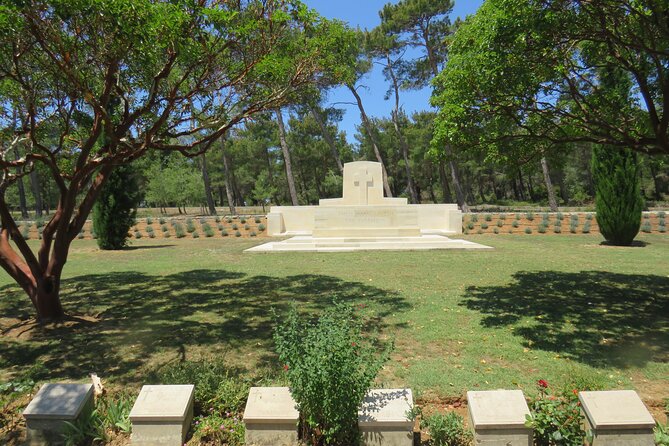
You’ll also visit cemeteries including Lancashire Landing Cemetery and Twelve Trees Copse Cemetery. Cemeteries can feel heavy anywhere, but on Gallipoli they’re especially important because they turn the battlefield into something personal.
I recommend taking a slow moment at each one instead of hovering for photos only. If you give yourself one quiet minute, the names start to read differently, and the day becomes less like sightseeing.
You can also read our reviews of more tours and experiences in Canakkale
Switching coasts: the Anzac sector and its key memorials
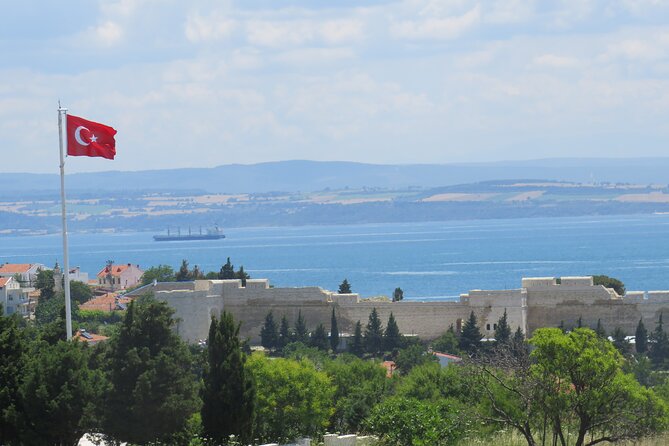
After a lunch break and travel within the national park area, you head to the Anzac sector. This part of the peninsula is often described through its memorials and cemeteries, but a good day tour connects those to the physical features that shaped the fighting.
You’ll have about four hours in the Anzac area with admission included. The best value in that time is not just seeing the famous names—it’s understanding why these sites are positioned where they are.
Anzac Cove and the Anzac Commemorative Site
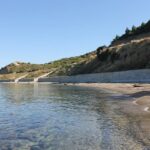
Your first stop here is Anzac Cove, followed by the Anzac Commemorative Site. Even if you know the basics of April 25, standing in the cove area helps you picture the scale of the coastline and how hard it would be to move under pressure.
This is also where an empathetic guide style matters. You’ll get explanations that keep the focus on place and people, not just tactics.
Ariburnu Cemetery and The Sphinx
Next you’ll visit Ariburnu Cemetery and The Sphinx. The cemetery provides the personal weight, while The Sphinx gives you a visual landmark that helps the story stick in your mind.
I like having at least one striking feature like this in the route. It breaks up the day mentally so you can process the heavier sites without burning out.
Lone Pine Australian Memorial
You’ll then reach Lone Pine Australian Memorial, one of the best-known memorials tied to the Anzac story. This is a strong moment for reflection because it’s designed for remembrance, not interpretation.
If you’re traveling with someone who isn’t a military history buff, this is often the part where they still feel something. That’s a big reason I consider this tour a good “shared interest” option.
Johnston’s Jolly: tunnels and trenches
One of the most memorable stops is Johnston’s Jolly, including the tunnels and trenches. This part is where military history fans tend to light up, because it gets closer to how fighting actually worked at ground level.
If you like terrain—how slopes, cover, and movement relate—this is the stop that helps you stop thinking in slogans and start thinking in geography. It’s the kind of segment where a guide can make the ground feel readable.
Chunuk Bair New Zealand Memorial
Finally you’ll visit Chunuk Bair New Zealand Memorial. This is a fitting capstone because it ties the Anzac story into a broader set of climbs, positions, and losses across the peninsula.
Take your time here. It’s easy to rush memorials, but you’ll remember them longer if you don’t treat them like a checkbox.
Private guiding: what you gain with a tailored day
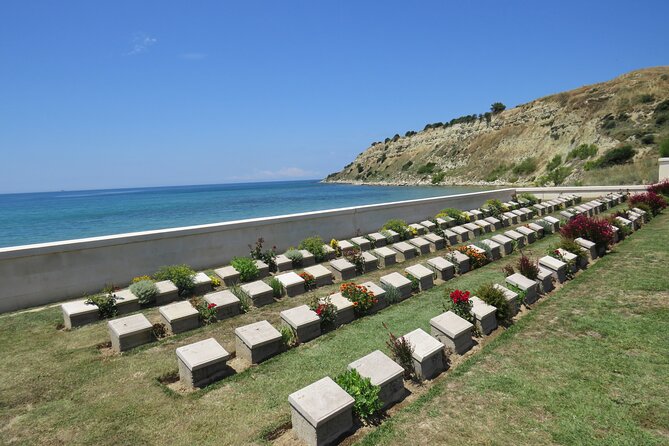
This is a private tour, meaning only your group participates. That changes the experience in two practical ways.
First, the guide can adjust pacing so you aren’t forced to keep up with strangers who want different things. Second, your time inside the park isn’t always eaten by constant regrouping.
The names that show up repeatedly—Otak, Hasan, Ibrahim, and Charlie—are a clue to why this tour feels different. People describe the guides as engaging, well briefed, and careful about time management. One guide, for example, was praised for staying on schedule and still taking care of the group so nobody got left behind.
Even if you’re not a hardcore history person, you’ll likely appreciate the way the route is explained. Sites like batteries, beaches, cemeteries, and memorials can blur together for first-timers. A strong guide helps you keep them in order and understand what connects them.
Eceabat wrap-up: the ferry return or a simpler ending
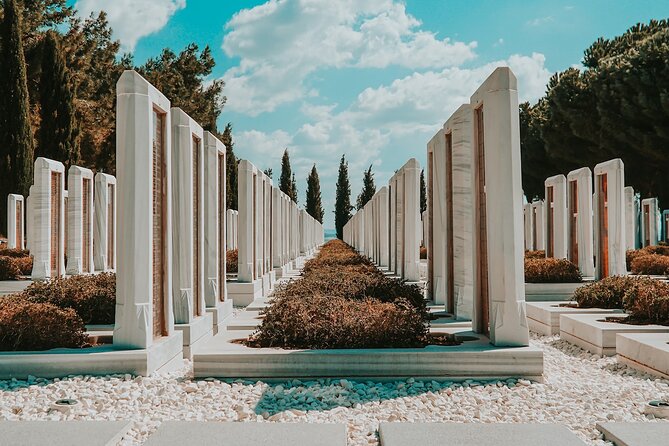
At the end of the day, you return to your hotel or cruise port in Canakkale by ferry. The crossing is again about 30 minutes, and the route uses the same waterway that framed your morning start.
If you’re staying in Eceabat, you don’t need the ferry ride. That’s a real advantage, because it trims fatigue and makes the day feel less like back-and-forth logistics.
Either way, you’ll finish back at your meeting point, which keeps planning simple. After nine hours, simple beats complicated.
Price and value: $336.44 per person for a private, admission-included day
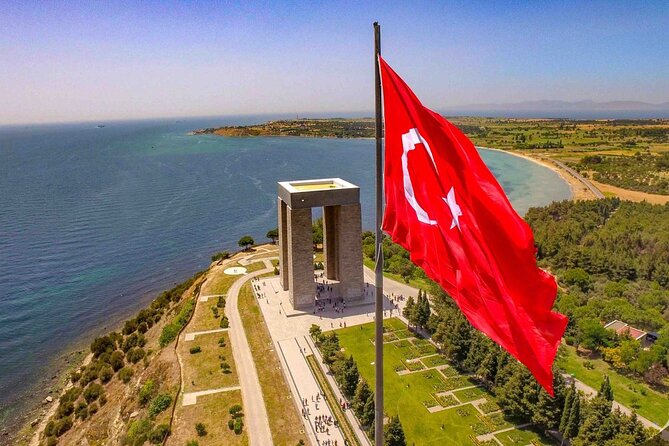
The price is $336.44 per person, which is absolutely on the premium side for a day tour. The key question is what you buy with that cost.
You’re paying for private transportation plus a guided route that spends long blocks of time inside the core Gallipoli areas. You also get admission included for the Helles and Anzac park stops, which matters because it reduces hassle and keeps the day moving without you tracking extra payments.
Where it feels most worth it is if you fall into one of these groups:
- You want more time at both sectors rather than a fast overview.
- You care about military terrain—beaches, batteries, trenches, tunnels—and want it explained.
- You prefer a guide who can shift focus based on your interests.
The trade-off is straightforward: this isn’t a cheap group bus day. Also, lunch isn’t included, so you’ll need to cover that yourself. And the day’s length means you’re paying not only money, but also physical attention—so wear shoes that handle rough ground and expect wind.
Timing, pacing, and what to bring for a 9-hour remembrance day
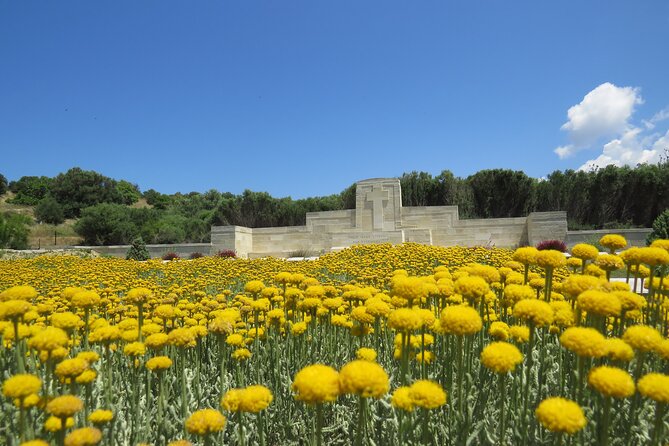
The tour starts at 8:00 am, and the overall duration is about 9 hours. That early start helps you beat the crowds and gives you daylight for walking and viewing.
Because the route is largely outdoors and focused on terrain, I suggest planning for weather swings. Bring a light layer you can add or remove quickly, and pack water. If you’re someone who easily gets chilled near the coast, that extra layer can save the day.
Since lunch isn’t included, think ahead. You’ll likely have a midday break, and it’s smart to have a plan for where you’ll eat or at least a rough idea of budget. If you forget and scramble, the day can feel more stressful than it needs to be.
Who should book this Helles and Anzac private tour?
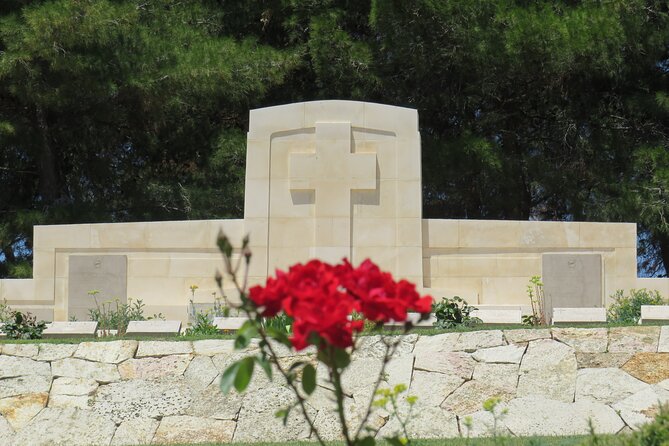
This tour is a strong match if you want a structured, guided walk through two connected parts of the peninsula: Helles first, then Anzac.
I’d particularly recommend it if:
- You’re traveling as a pair or small group and want a schedule that doesn’t depend on strangers.
- You’re interested in military history, battlefield terrain, and the way the shoreline and elevations shaped events.
- You want English guiding and a route that hits major named memorials and cemeteries.
If your goal is only quick photos and a short stop at famous spots, this may feel like more time than you need. It’s a day for people who want the place explained and who can handle a somber tone.
Should you book this private full-day Gallipoli tour?
If you’re willing to pay for a private day with real time in both Helles and Anzac, this is an excellent option. The best reason to book is the balance: you get the landing-focused Helles sector and the Anzac memorial focus, and the guide can keep the story coherent across many named stops.
I’d pass if you’re trying to keep costs low or if a long outdoor day feels like a stretch. In that case, a shorter or less structured option might suit better.
FAQ
FAQ
Is pickup included?
Yes. The tour offers pickup from your hotel or the cruise port in Canakkale.
Do I need a ferry ride?
If you stay in Canakkale, the ferry ride is included. If you stay in Eceabat, you do not need the ferry ride.
What time does the tour start?
The start time is 8:00 am.
How long is the tour?
The duration is about 9 hours.
Is this tour private?
Yes. It’s a private tour, and only your group participates.
What language is the tour offered in?
It’s offered in English.
What’s included in the price?
Private transportation is included. Admission tickets are included for the Helles and Anzac National Park portions listed in the day.
Is lunch included?
No. Lunch is not included.
Where does the tour end?
It ends back at your meeting point, with drop-off back to your hotel or cruise port.
Does the tour require good weather?
Yes. The experience requires good weather. If it’s canceled due to poor weather, you’ll be offered a different date or a full refund.
What’s the cancellation rule?
You can cancel for a full refund up to 24 hours in advance of the experience’s start time.